Rummy Tips: Detect When a Set Is Blocking Your Hand
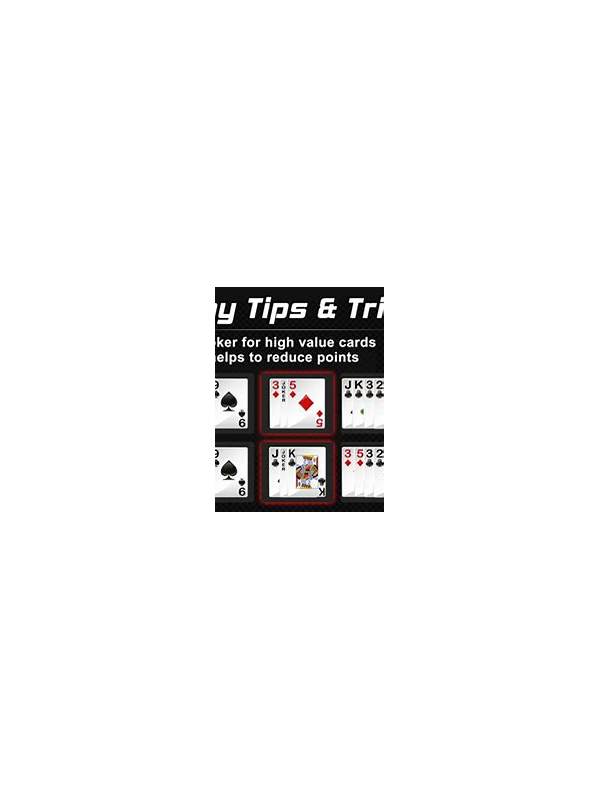
A set can feel reassuring because matching ranks are easy to recognize. However, holding a pair for too long may block cards that could create a sequence or complete a required structure. The useful question is not whether the set is possible, but whether it is earning its place in your hand.
Start by checking the set’s current stage. Three matching cards may already be a stable group, subject to the rules. Two matching cards are only a proposal. Ask whether a third card is realistically available and whether the pair has any secondary role. If it cannot support a sequence and one of its cards is expensive to keep, the pair may be less valuable than it appears.
Look at the rest of the hand before protecting the pair. If you have two connected cards in a suit, a draw that completes their sequence may create more progress than a third matching rank. A pair that shares a rank with a useful connector can still be flexible, but an isolated pair often narrows your choices. Arrange the hand so you can compare these structures side by side.
The discard pile provides context but not certainty. If one matching card has already appeared, the set path is narrower. If connected cards for a sequence have been discarded, that path may also be weaker. Compare the remaining options rather than automatically favoring the set because it looks tidy.
Give speculative sets a deadline. For example, decide that after one or two relevant turns without improvement, you will reassess the pair. The exact number depends on the format and pace, but the principle prevents sunk-cost thinking. A pair does not become more likely merely because you have held it for several turns.
If you break the pair, do it for a reason you can state: preserving a pure sequence, lowering exposed points, or opening more useful draws. This makes the decision easier to review later. Sets are valuable tools, not sacred objects. Keep them when they support the whole hand, and release them when they are blocking a clearer, more flexible route.
One useful exercise is to review only the pairs you carried through a round. For each one, record whether it became a valid group, supported another meld, or stayed unchanged. The result will not predict future cards, but it can reveal a personal tendency to wait too long for sets. That information is more valuable than judging a single pair in isolation.
Related Post
Rummy Safety: Confirm Device Lock Before Play
A quick device-lock check helps protect a rummy session when a phone or tablet is [...]
Rummy FAQ: Does an Open Discard Always Have More Value?
An open discard can be informative and convenient, but it is not automatically better than [...]