Rummy Tips: Compare Candidate Sequences by Exit Options
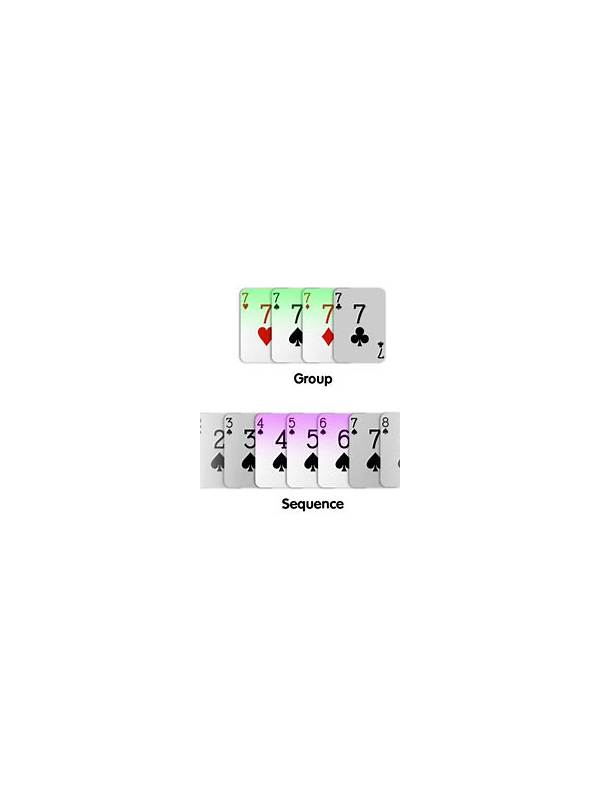
When two possible sequences look equally attractive, compare their exit options. An exit option is a reasonable way to release the cards if the route stops improving. This test adds an important question to ordinary connection counting: what happens if the hoped-for card never appears?
Imagine a hand with a low sequence that needs one connector and a middle sequence that needs a different connector. The first route may have more theoretical matches, but if its cards are all high value or hard to reuse, it can be a poor commitment. The second route may have fewer matches yet leave one card useful in a set or another sequence. Its exit is safer.
List the cards that would remain if each candidate failed after one or two turns. For each leftover card, ask whether it can join another group, whether it can be discarded without revealing too much, and whether holding it creates a large penalty. You are not trying to calculate an exact probability. You are comparing the shape of the damage.
An exit option should also account for timing. A route with a clean exit on the next turn is different from one that requires several turns before any card can be released. A narrow route can still be worthwhile late in a hand if it completes quickly, while an open-ended route may be wasteful when the table is moving fast.
Do not confuse an exit with giving up too early. The purpose of this test is to avoid treating a candidate as permanent. Keep a route while it earns its place, but decide in advance what evidence would make you leave it. That evidence might be a blocked connector, a newly visible duplicate, or a safer arrangement elsewhere.
You can practise this comparison away from a live table by taking a sample hand and writing two possible discards. Give each discard a reason, a preserved route, and an exit. Then change one card and repeat the comparison. This exercise builds the habit of explaining a reaction before acting and shows whether your preference depends on appearance, point value, or a genuine improvement.
Before discarding, repeat the comparison briefly. Which route has improved? Which route has a usable exit? Which card can be released while preserving the better option? This habit keeps your choices responsive. It also gives you a useful post-hand review because you can see whether the route failed due to bad information, poor timing, or an exit that was never actually safe.
Related Post
Rummy Comparison: One Long Session Versus Several Short Sessions
Comparing session length shows how attention, learning, and fatigue can change the quality of rummy [...]
Rummy Comparison: Single-Deck and Two-Deck Decisions
Deck count changes the reliability of draws, the meaning of discards, and the value of [...]