Rummy Hand Mapping With a Three-Column Layout
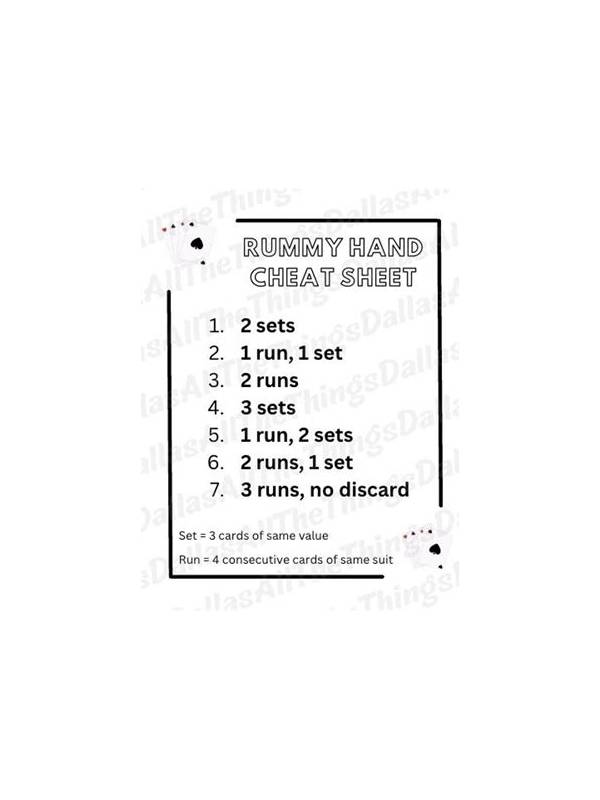
Rummy hands become difficult when every card appears to have several possible jobs. A seven of hearts might join a run, support a middle sequence, or simply be a high-value card that should leave. Hand mapping is a practical way to reduce that confusion. Instead of repeatedly rearranging cards without a plan, place them into three mental columns: confirmed groups, possible groups, and unassigned cards.
The first column contains combinations that are already dependable. In a standard Indian rummy setting, a pure sequence deserves priority because it does not rely on a joker. A completed set can also sit here, provided its cards are not needed to repair a more important sequence. The purpose is not to declare early. It is to protect the structures that already satisfy part of the hand.
The second column is for possibilities. A pair, two neighboring cards, or a card that fits around a joker belongs here. Labeling these as possible rather than complete prevents a common error: treating a promising combination as guaranteed. Give each possibility a deadline. If the missing card does not arrive after several turns, reconsider it rather than feeding it more cards.
The third column holds unassigned cards. These cards should be evaluated by risk and flexibility. A low card with two useful neighbors may deserve another turn, while an isolated high card usually creates urgency. Move a card from this column only when the move improves a clear structure. Movement for its own sake can hide that the hand is not getting better.
After each draw, scan the columns in order. First confirm that the dependable groups still work. Next compare possible groups by the number of realistic finishing cards. Finally choose the discard from the unassigned column, unless a possible group has become clearly weaker. This order keeps the decision tied to the hand’s actual needs.
Mapping is especially useful during a distracted or fast session. It creates a short repeatable routine and makes mistakes visible. It does not guarantee a win, because draws and opponents remain unpredictable. Its value is narrower and more useful: it turns a crowded hand into a set of choices that can be reviewed calmly.
You can use a physical note, a mental picture, or the card arrangement on screen. Avoid rearranging so often that you lose track of the last discard. The layout supports attention rather than replacing it. Once the map is clear, act within the time limit and accept that a sound plan may still meet an unfavorable draw.
Related Post
Rummy How-To: Set a Review Point Before Taking a Risk
A predefined review point helps evaluate a risky rummy plan before it becomes difficult to [...]
Rummy Tips: Give Your Discard a Destination Test
Before releasing a card, ask where it could help and whether that possibility is meaningful [...]