Rummy Guide: Use a Two-Route Plan for Uncertain Hands
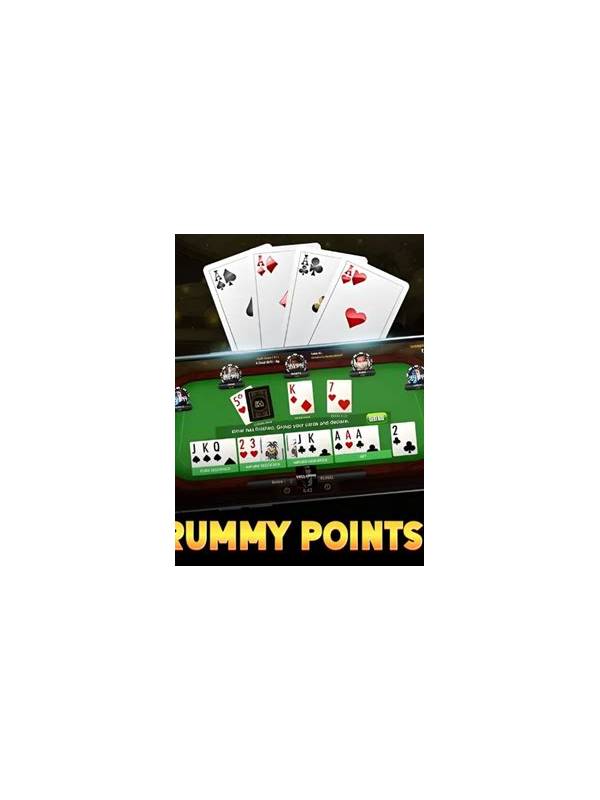
An uncertain opening hand is not a signal to force the first attractive combination you notice. It is a reason to keep two workable routes visible while you collect better information. In rummy, a route is a possible way to organize cards into valid groups. One route may use a promising sequence, while the other may rely on a set, a different sequence, or a safer discard plan. The aim is not to predict the future perfectly. It is to avoid making a single guess carry the whole hand.
Start by sorting the cards by suit and rank so connections are easy to see. Mark the strongest route with a simple label such as A. This might be a consecutive suited group with two cards already together. Then mark route B, which should use a different combination of cards. Do not count a route as independent if both plans require the same hard-to-replace card. A backup that collapses when one card is discarded is only a variation of the first plan.
Next, identify the requirement for each route. Route A might need one middle card to become a sequence. Route B might need a matching rank for a set. Write these requirements mentally or in a permitted practice note. This step changes a vague hope into a testable question: did the new card improve A, B, both, or neither? When you know the requirement, you can judge a draw without treating every card as a surprise.
Give each route a deadline. If route A still needs two specific cards after several turns, it may be too narrow. Route B could then become the main plan, even if it looks less elegant. A deadline prevents repeated draws based only on emotional attachment to an attractive pair. The right deadline depends on the variant, table pace, and number of cards left, so use the published rules for the table as your authority.
When discarding, protect the route with more reasonable exits, not automatically the route that looks closest. A nearly complete group can still be dangerous if its missing card is unlikely or if keeping it strands several high-value cards. Conversely, a less complete route may connect to several useful cards. Compare the number and quality of remaining improvements, then release the card that creates the smallest future burden.
Finally, review the plan after each meaningful draw. Ask what changed, which route gained evidence, and whether either route now depends on too many assumptions. A two-route plan is temporary scaffolding, not a promise to keep every option forever. Once one route becomes clearly stronger, commit gradually and simplify the hand. This method makes uncertain openings easier to manage because each decision has a reason, a requirement, and a point at which you are willing to change direction.
Related Post
Rummy Decision Language: Replace Vague Instincts With Clear Terms
Use precise words for risk, flexibility, and progress to improve rummy decisions and reviews. [...]
Rummy How-To: Create a Personal Vocabulary for Card Decisions
A small set of consistent terms can make rummy thinking faster, clearer, and easier to [...]