Rummy Guide: Count Useful Connections Instead of Possible Combinations
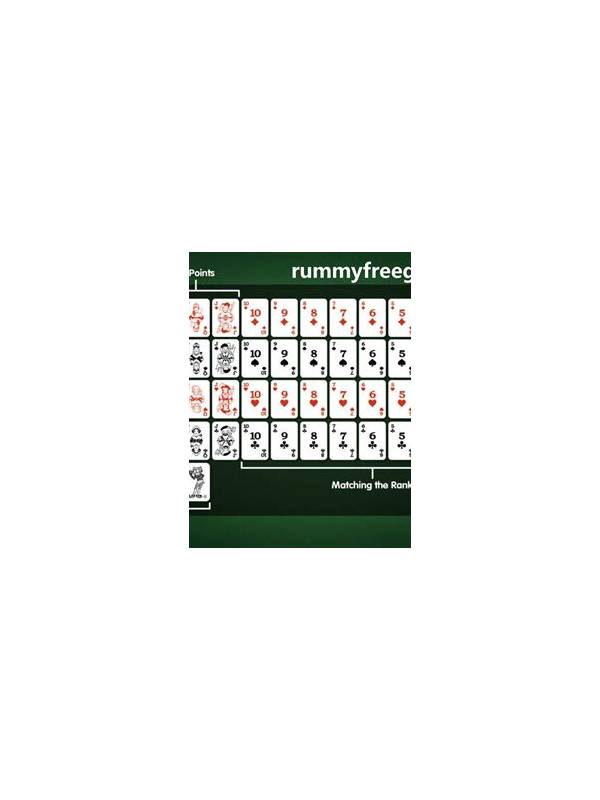
A hand can appear rich in possibilities when every card is imagined in several future groups. That imagination is often misleading. Most theoretical combinations will never arrive, and carrying too many of them can delay a necessary discard. A more useful method is to count practical connections.
For each card or small group, ask how many cards already in the hand connect to it. A six may connect directly to a five or seven of the same suit. A repeated rank may connect to another copy for a set. Mark the connections that are real now, not the ones that would require several unrelated draws. A group with two existing links is usually more stable than an isolated card with four imagined destinations.
Next, check overlap. One card may be counted as a connector for two routes, but it cannot always serve both at once. For example, a seven might bridge one sequence while also being held as part of a different plan. Identify which use is more complete and which use has a cheaper replacement. This prevents double-counting flexibility.
Give extra weight to a group that includes a required structure, such as a pure sequence in formats that require one. A promising set may look attractive, but it should not crowd out a group that satisfies a core condition. The exact rules differ across games, so use the format’s declaration requirements as the first filter.
After counting connections, choose one candidate discard and imagine the next hand. Does removing it leave a group with no links? Does it reduce high-point exposure? Does it preserve at least one complete or nearly complete route? These questions turn a vague count into a practical decision.
Do not treat the count as a rigid mathematical score. It is a snapshot that should be updated when a card appears or a route becomes blocked. A card with one connection may be worth keeping if it completes a critical sequence, while a card with several weak links may be the correct release. The method works because it makes the quality of connections visible.
Use this approach during practice by pausing after each draw and naming the connections that remain. Over time, your evaluations should become faster and less dependent on hopeful combinations. The objective is not to predict the exact future hand; it is to keep the most workable structure while paying attention to risk.
Related Post
Rummy How-To: Test a Sequence Before Holding It
Testing a possible sequence against alternatives can prevent one attractive connection from controlling the whole [...]
Rummy Planning: Find the Narrowest Link in a Hand
Understand how one missing card can control several plans and how to respond without overcommitting. [...]