How to Set a Rummy Decision Timer That Helps You Think Clearly
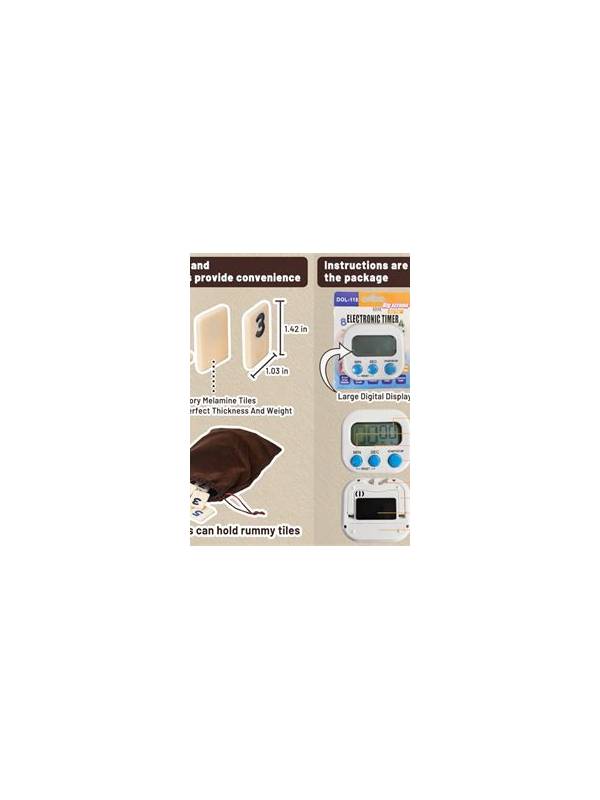
A decision timer is part of many online rummy tables, but it does not have to be an enemy. Used thoughtfully, it encourages a repeatable process and prevents one uncertain hand from consuming an entire session. The aim is not to play as fast as possible. It is to make the important checks in a consistent order before the clock becomes uncomfortable.
Start by learning the table’s actual timing rules in a free or low-pressure setting. Notice whether the timer begins when the previous player acts, whether unused seconds carry over, and whether an extension is available. Rules vary between formats and platforms, so do not rely on memory from another table. Knowing the mechanics removes a surprising amount of stress.
Next, create a short scan. Look for a pure sequence first, then identify any second sequence, and finally review the cards that are not currently helping. This order keeps the essential requirement in view before you become distracted by an attractive pair. If a joker is available, consider which incomplete group it improves most rather than assigning it automatically to the first gap you notice.
Use the timer to divide decisions into two types. A routine discard can be handled quickly after checking its points and flexibility. A declaration, a draw from the discard pile, or a choice between two nearly complete groups deserves the remaining seconds. Spending equal time on every card is inefficient; spend attention where the consequence is greatest.
If you regularly reach the final seconds, review your grouping method after the hand. Ask whether you were repeatedly rebuilding the same combinations or holding too many speculative cards. A tidy, stable layout reduces mental work. You can also practice naming your best two candidate discards before making either choice. The exercise builds speed without encouraging reckless clicks.
Finally, stop playing if the clock is producing panic rather than useful concentration. A calm break is a strategy tool, not a failure. Timers are designed to keep games moving, while your responsibility is to make decisions you understand and to stay within any limits you set for the session.
You can rehearse the scan with a paper hand. Give yourself a fixed number of seconds, name the required sequence, and identify one discard without moving any cards. Repeat until the order feels natural. This practice improves recall while removing the social pressure of a live table. The goal is a dependable checklist that fits inside the available time, not a reflex that ignores changing information.
Related Post
How to Organize a Rummy Hand for Faster Decisions
Arrange cards by role so that useful groups remain visible when the clock is moving. [...]
Rummy Safety: Set a Cooling-Off Rule for Wallet Decisions
A short pause before deposits or stake changes can protect decisions from pressure and frustration. [...]