Why Middle Cards Need Flexible Rummy Plans
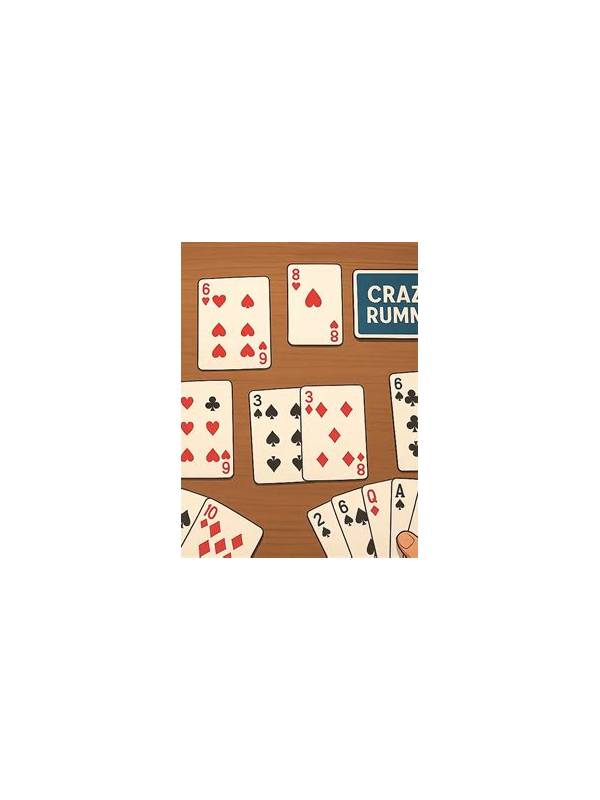
Middle cards often look attractive in rummy because they can connect upward or downward. A six, seven, or eight may fit several possible sequences, and keeping one can preserve options. Flexibility is valuable, but it should not become an excuse to hold every promising card.
Evaluate a middle card by counting realistic connections. A card with two neighbours in the same suit may support a sequence immediately. A lone middle card with no matching suit has potential only in theory. Ask whether you have seen relevant cards in the discard pile, whether another group already needs the card, and how many turns you can afford to wait.
Pair flexibility with a deadline. Decide that you will reassess an uncertain card after the next one or two draws. If no useful partner appears, release it and pursue a stronger structure. This rule prevents a flexible card from silently becoming the centre of a failing hand. The exact deadline depends on the format and the penalty system, so use the game’s rules as your guide.
Watch the cost of holding it. A middle card usually carries less penalty than a high card, but it still occupies space that could hold a confirmed sequence or set. If the rest of your hand is crowded with incomplete groups, the best decision may be to simplify rather than preserve another possibility.
Middle cards can also help you disguise a plan, but do not overestimate that benefit. Opponents do not need to know your exact hand for a useful discard to become dangerous. When several players appear to be collecting one suit, favour cards that reduce your own risk and avoid feeding a visible connection.
The practical lesson is balance. Keep a middle card when it supports more than one credible route and the waiting cost is small. Discard it when the connection is imaginary, the hand needs immediate structure, or the card is preventing a safer decision. Flexibility is a tool for changing plans, not a reason to postpone changing them. An easy drill is to deal a small sample hand and list every credible partner for one middle card. Cross out partners that conflict with the suit or with cards already committed elsewhere. Then decide how many turns you would wait. The exercise makes vague potential visible and teaches you to value actual connections. Repeat it with a high card and a low card to compare not only flexibility but also penalty and discard risk.
Related Post
Rummy Discard Queue: How to Avoid Last-Second Choices
Create a flexible discard queue so each rummy turn starts with a useful shortlist. [...]
Rummy How-To: Build a Decision Tree for a Loose Card
A small decision tree turns one loose-card question into a sequence of practical checks. [...]