A Beginner FAQ About Rummy Discard Pile Signals
Does picking from the discard pile reveal a complete plan? No. It shows that the card had immediate value or looked better than the closed draw. The player may be collecting a set, extending a sequence, or simply choosing the least uncertain option. Treat the pickup as evidence, not certainty.
Should I avoid every card near a picked-up card? Not automatically. If a player takes a seven of hearts, nearby hearts may be useful, but they may also be irrelevant. Consider suit, rank, and the player’s exposed combinations together. Avoiding too many related cards can damage your own hand more than it protects you.
What does a long discard pile tell me? It provides history, not a direct forecast. A card that has appeared repeatedly is less likely to be available in the closed deck, depending on the format and number of decks. The pile can also show which cards players are not taking, although that observation is affected by hidden hands.
Is a high card always a safe discard late in a round? It may reduce your penalty, but safety also depends on whether it completes another player’s group. Check visible needs and the urgency of your own hand. A low card that gives away a likely completion can be worse than retaining a high card for one more turn.
How much should a beginner memorise? Start with the last few important discards and any cards that were picked from the open pile. Trying to remember everything can distract you from sorting your own hand. Improve gradually as the basic routine becomes comfortable.
Can the discard pile predict the next draw? No. It can change your estimate of what remains, but it cannot guarantee a result. Do not chase one card because the pile makes it feel “due.” Build a backup plan and keep your decisions within the rules and your session limits.
The discard pile is most useful when it answers a practical question: which of my choices is least exposed right now? Use it to reduce guesswork, then let the structure of your hand determine the action. Remember that table rules differ. Some formats use multiple decks, special joker rules, or different scoring, so a signal that matters in one game may be weak in another. Read the format description before applying a familiar habit. When uncertain, choose the option that protects your hand and ask support or consult the official rules after the round rather than relying on a confident guess.
Related Post

Rummy Safety: Set Spending and Time Limits Before Play
Practical boundaries can keep a recreational rummy session predictable and controlled. [...]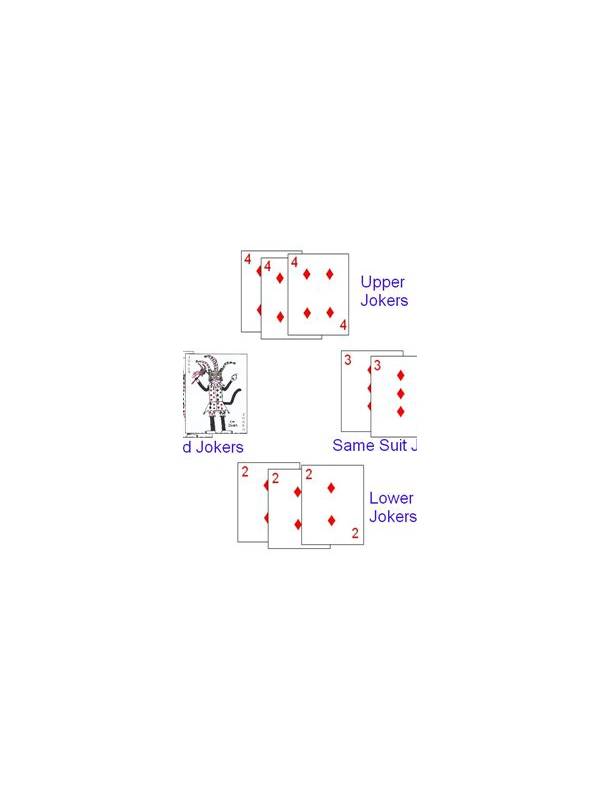
Rummy Comparison: Printed Jokers Versus Wild Jokers
Printed and wild jokers can both fill gaps, but their value depends on rules, timing, [...]