Rummy Set Building: Reading Rank Neighbors Carefully
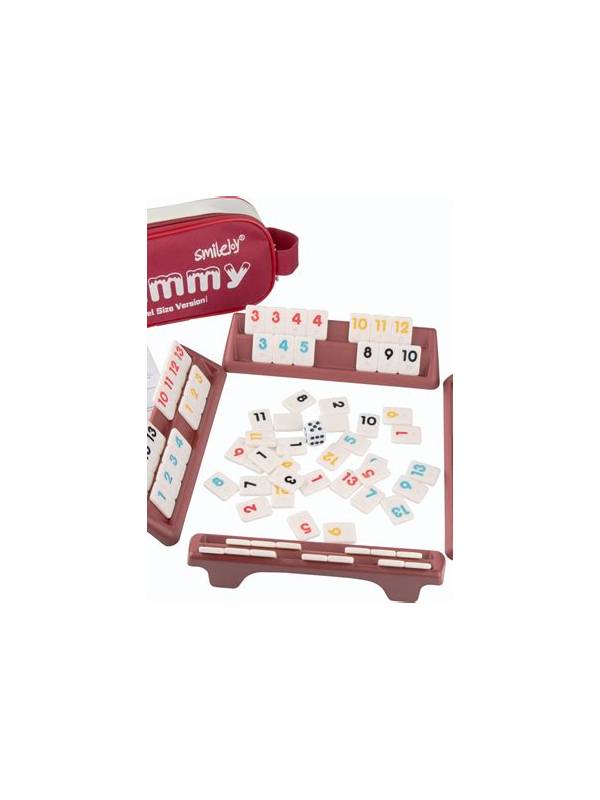
The same review works when a pair is formed later in the hand. Do not grant a new pair special status merely because it arrived recently. Check its suit connections, required cards, and penalty effect just as you would at the opening. A new pair may complete a broader structure, or it may simply add another unresolved commitment. Treating new information consistently keeps excitement from distorting the evaluation and makes post-game analysis easier.
Sets in rummy are built from cards sharing a rank, so they can appear attractive early in a hand. Two cards of the same rank create a possibility, but they also compete with other uses for those cards. A careful player treats a pair as a question rather than a finished plan: is a third matching rank realistically useful, or would either card be better placed in a sequence?
Start by checking the suits of the matching-rank cards. If they are different suits, the pair has a straightforward set pathway. If they share a suit, the pair may also be a sequence anchor, especially when their ranks are close. This does not mean the sequence is automatically better. It means the pair has more than one potential job and should not be discarded without comparison.
Then examine nearby cards in each suit. A five and seven of one suit have a missing six between them, while a pair of sevens in separate suits needs another seven. The first possibility may be open on both sides; the second depends on rank availability and table information. Thinking in terms of required cards helps distinguish flexible connections from narrow hopes.
Avoid collecting every same-rank pair simply because sets are easy to describe. A hand with several pairs can become crowded with cards that do not cooperate. Choose a priority based on flexibility, current combinations, and penalty exposure. If one pair is surrounded by useful sequence cards and another consists of high cards with no support, the latter may deserve an earlier exit.
Discard observations also matter. If a player has already released a card of the needed rank, that is evidence, not proof, that completing a set may be less likely. Likewise, a visible matching card should not be treated as unavailable in every format, because another copy may still exist. Use observations to update confidence instead of making absolute assumptions.
A practical exercise is to take ten random hands and label each same-rank pair as sequence-first, set-first, or undecided. Review the labels after several imaginary draws. This trains flexible evaluation and discourages the common mistake of treating the first recognizable pattern as the only plan.
Related Post
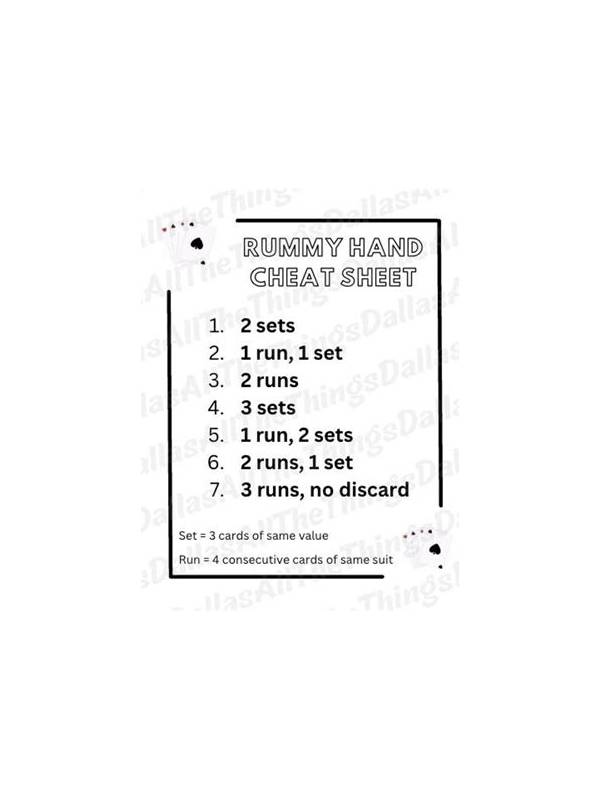
Rummy Guide: Recognize When a Hand Has Too Many Jobs
A hand becomes difficult when each card is asked to serve several incompatible purposes at [...]
Rummy FAQ: When Should You Reorganize a Nearly Complete Hand?
Learn when a promising arrangement needs a fresh look before you commit another draw. [...]