Rummy FAQ: When Should You Reorganize a Nearly Complete Hand?
Reorganizing a nearly complete hand can feel wasteful because the current arrangement looks close to success. Yet a fixed arrangement may hide a faster or safer route. Reorganization is useful when new evidence changes the relationships among the cards, not simply because the next draw has not arrived.
Consider a fresh arrangement when one card belongs to two possible groups. The card may be serving the route that needs it least, while another arrangement could complete a required sequence or reduce the number of uncertain cards. Lay the hand out again and test each shared card in both roles. This takes seconds and can reveal that the apparent dead end is only an arrangement problem.
Also reorganize when a key connector becomes unlikely or unavailable. If the route depends on a card already seen in a completed opponent group or otherwise no longer reachable under the format, continuing unchanged is expensive. Move the supporting cards into a lower-risk plan and identify a new discard. A failed route should be replaced deliberately rather than abandoned in frustration.
Do not reorganize every turn. Constant rearrangement can create confusion and make a workable plan look worse than it is. Use a trigger: a new card, a visible change in the discard pile, a completed group, or a meaningful reduction in possible outs. The trigger gives the review a reason and prevents nervous tinkering.
Before acting, compare the new arrangement with the old one using concrete measures: required cards, penalty exposure, and fallback options. Keep the new layout only if it improves at least one measure without creating a larger problem. Reorganization is a tool for clarity, not a promise that the next draw will cooperate. A reorganization is particularly worthwhile before an important draw or declaration attempt, because a small overlap can affect the entire result. Still, protect your time and attention. If the hand is already arranged into valid groups with one clear target, leave it alone and focus on the next legal action. The best players are not constantly moving cards; they are willing to move them when a specific piece of evidence says the current layout is hiding value. When practising, deliberately create hands with overlapping cards and test several legal arrangements. The exercise teaches you to notice alternatives without making every real turn feel uncertain. Over time, you will learn which overlaps are genuinely valuable and which only look promising because the cards are close in rank. That recognition makes selective reorganization faster and more reliable.
Related Post
Rummy Safety: Protect Personal Information on Game Accounts
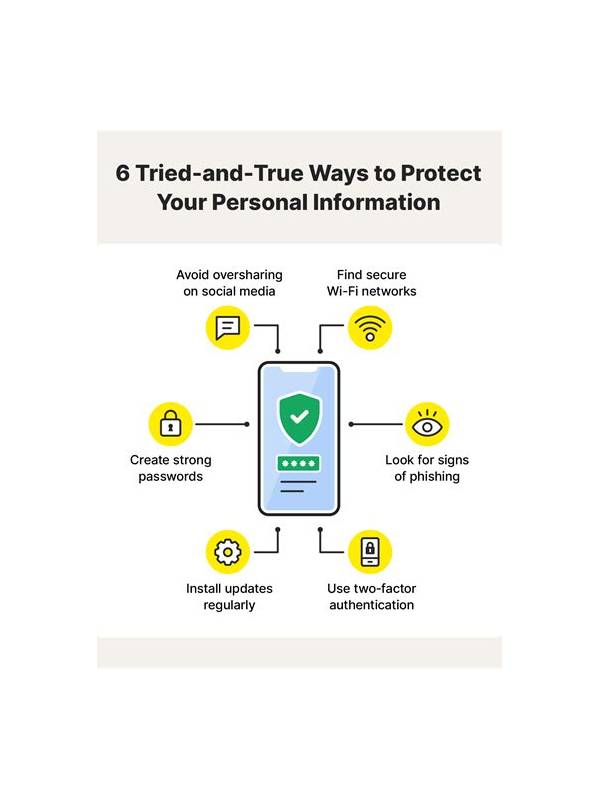
Basic account hygiene helps rummy players protect personal information while using online game services. [...]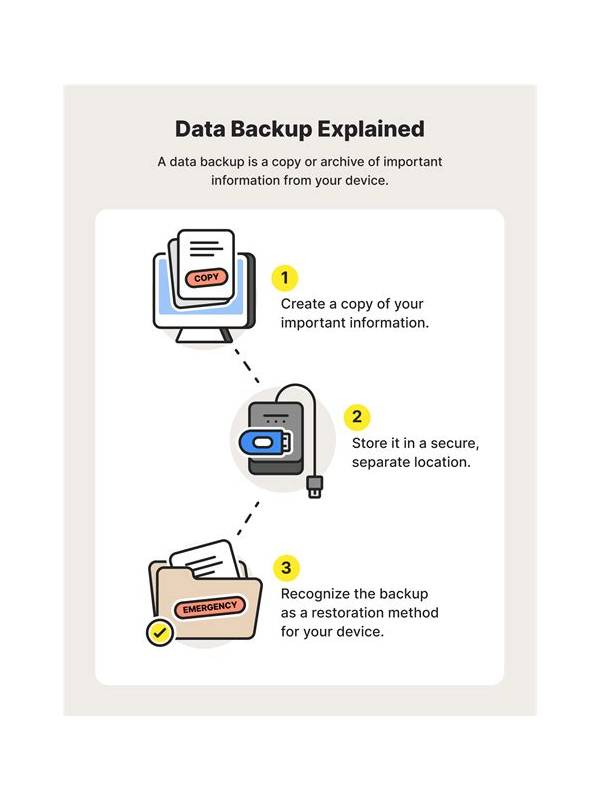
Rummy FAQ: What Does a Good Backup Plan Look Like?
A good rummy backup plan is small, legal, and recoverable rather than a collection of [...]