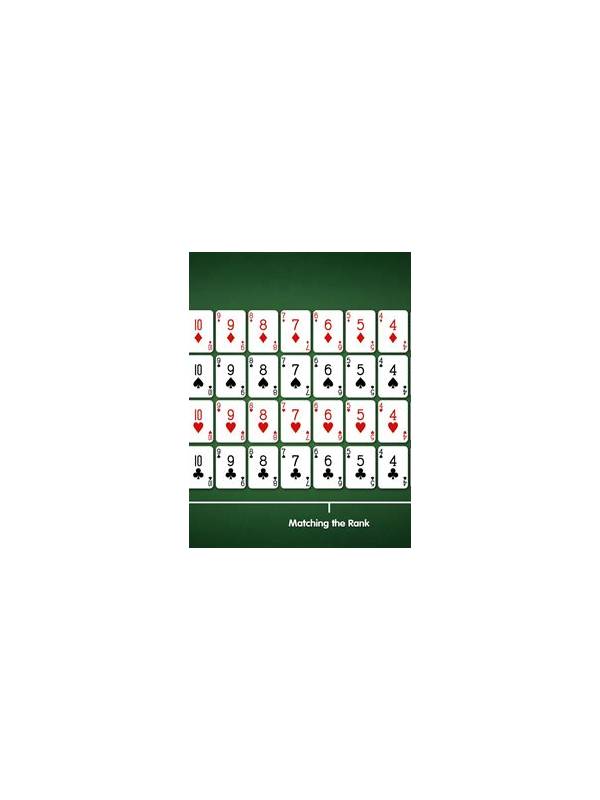
Rummy Strategy: Compare Routes by Required Cards
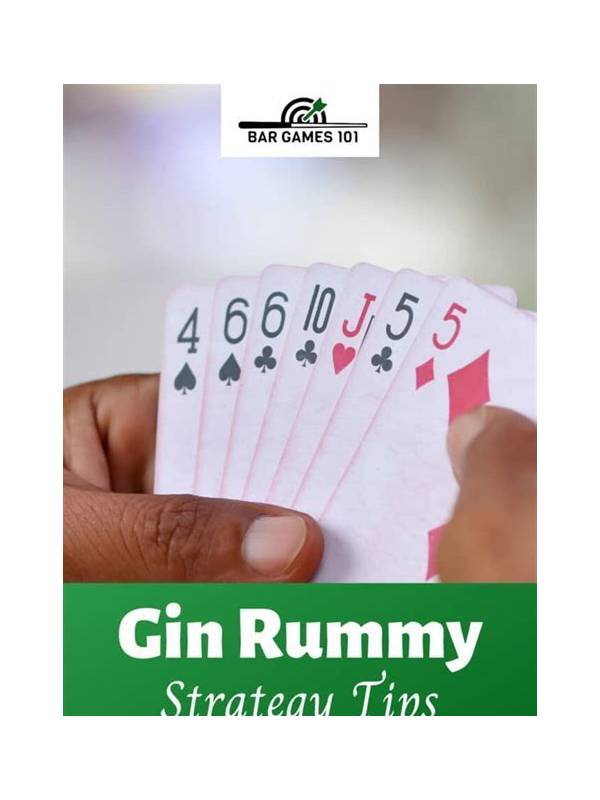
Required-card lists should be updated after discards as well as draws. A card released by another player can change what seems plausible, but it should not be treated as certainty about the remaining deck. Mark it as a confidence change, then continue observing. The list is a decision aid, not a probability calculator. Its benefit is making hidden assumptions visible, so a player can ask whether a plan has several routes or rests on one hoped-for card.
When a rummy hand has several possible directions, players often choose the route that looks most complete. A better method is to list the cards each route requires. This turns a visual impression into a practical comparison and shows which plan can improve in more than one way.
For every candidate route, name the next useful cards. A sequence may need one of two neighboring ranks, while a set may need one matching rank in an unused suit. Another route may require a specific card and leave several unrelated cards untouched. The list does not predict which card will arrive, but it reveals how dependent the plan is on one narrow event.
Count overlap between routes. If the same card would help two parts of the hand, that card has extra value. If two plans require different cards and compete for the same slot, the hand is less flexible than it first appears. This is why a pair of attractive possibilities can sometimes be weaker than one modest route with several compatible improvements.
Also count the cards that remain outside each route. A plan that improves one group but leaves three high orphans may not be better than a route that improves two smaller groups. Consider the whole hand, including the cost of waiting. A route should be judged by the structure it creates, not just the one card it is trying to complete.
Use a review point to avoid endless comparison. At the start, list two routes at most. After the next meaningful draw, update the required-card lists and choose whether to continue, combine, or exit. If the lists become longer while the hand does not improve, the route is losing practical value.
This method is useful in practice drills. Deal a hand, write two required-card lists, and simulate three draws. After each draw, cross out fulfilled requirements and add new ones. The exercise builds a habit of comparing evidence rather than falling in love with the first pattern that appears.
Related Post
Rummy How-To: Create a Decision Log With Four Labels
Four simple labels can record why a card was kept or discarded without turning a [...]
How to Use a Rummy Decision Pause Under Pressure
A short pause helps players check structure and discard cost before acting on a rushed [...]