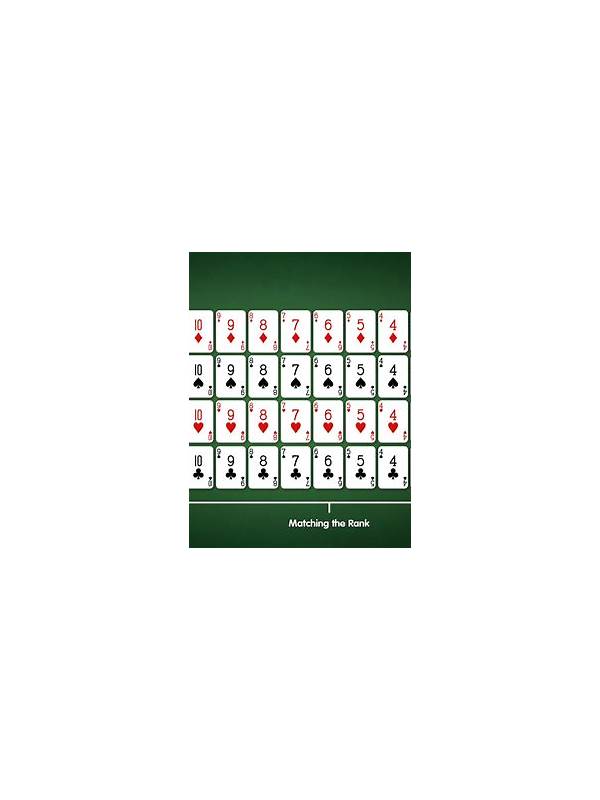
Rummy How-To: Compare Two Candidate Melds With a Swap Test
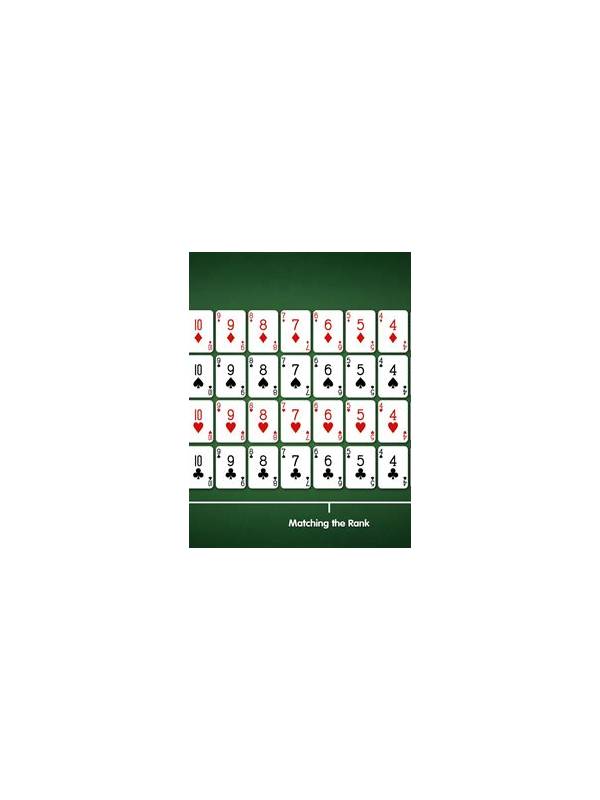
When two cards appear to fit more than one group, choosing between them can feel like a matter of instinct. A useful alternative is the swap test. Instead of asking which meld looks prettier now, temporarily assign the cards to one plan, then move them to the other and compare what remains. The better plan is usually the one that leaves fewer awkward cards and more realistic next steps.
Start by writing down the two candidate melds without committing to either. For example, a hand might contain a connected run in one suit and three cards of the same rank. Put the shared or flexible cards aside mentally. Then complete the first plan on paper and inspect the leftovers. Count how many cards are isolated, how many have only one possible partner, and whether a high-point card remains exposed.
Now perform the same check with the second plan. Do not judge it by the number of cards it uses alone. A three-card group that leaves four unrelated cards may be weaker than a two-card link that keeps several cards connected. Also note whether the plan requires a particular card from the discard pile. A plan that depends on one narrow draw deserves a lower confidence label than one supported by several ordinary cards.
The test becomes clearer when you compare three questions. First, which arrangement already satisfies an important rule requirement, such as a pure sequence? Second, which arrangement has the cheaper fallback if the next two draws miss? Third, which arrangement tells you more about what to discard? If one plan answers all three well, it is generally the safer working structure.
Use the swap test quickly during a live hand. Give each candidate no more than a few seconds, and compare only the immediate leftovers and the next useful-card list. You are not trying to calculate every possible future hand. You are checking whether your preferred meld is genuinely supported or merely attractive because it is easy to see.
The test is also valuable after a round. Recreate the hand and record the two arrangements, the cards each one needed, and the point cost of its leftovers. Over several reviews, you may discover that you routinely protect flashy groups while ignoring flexible links. That observation is more useful than a vague instruction to “play better.” It gives you a repeatable decision tool: assign, swap, inspect, and choose the plan with the stronger structure and the gentler fallback.
Related Post
Rummy Strategy Comparison: Flexible Middle Cards vs High Singles
Comparing flexible middle cards with isolated high cards clarifies what each card can contribute to [...]
Rummy How-To: Annotate a Practice Hand Without Overwriting It
Use short, time-stamped notes to learn from a practice hand while preserving what was actually [...]