Rummy Comparison: Drawing From the Deck or Discard Pile
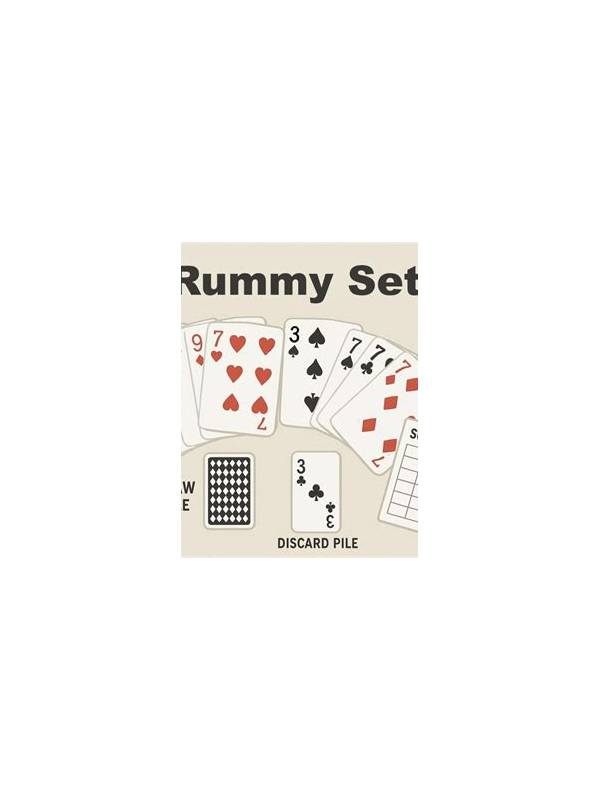
Choosing between the closed deck and the open discard pile is a small decision with several consequences. The discard pile provides visible information, while the deck preserves uncertainty and may hide a better card. A useful comparison considers the whole hand rather than treating one option as universally correct.
The discard pile is attractive when the top card completes a valid sequence or set immediately. It can also be valuable when it strengthens a route that already has good support. Before taking it, ask whether the card truly improves the hand or merely looks familiar. A card that fits one weak pair may not be worth revealing interest in that rank or suit.
The closed deck offers privacy and a broader unknown range. It is often preferable when the visible card would expose a narrow plan, when the pile card has high penalty value, or when several different cards could improve your hand. The trade-off is that the draw may be irrelevant, so you need a plan for quickly assessing and discarding the result.
Timing changes the comparison. Early in a hand, information may be worth more because you have time to adapt. Later, immediate improvement can matter more than concealment, particularly if the card completes a required group. Still, avoid taking a card simply because another player might want it; first establish how it serves your own structure.
After the choice, update your read of the table without overinterpreting it. One pickup is a clue, not proof of another player’s plan. Treat the deck and discard pile as different information environments. Comparing their benefits each turn encourages purposeful draws and keeps your decisions connected to the hand you actually hold. There is also an information cost to repeatedly taking visible cards. Other players may adjust their discards when they notice a pattern, although their interpretation can be wrong. If the top card is merely compatible rather than important, a closed draw can preserve more ambiguity. On the other hand, refusing an immediately useful card just to remain unpredictable is not automatically wise. Compare the practical improvement with the information given away, and let the hand’s requirements decide which cost matters more. The comparison is also affected by your ability to recognize the card quickly. A visible draw may save time when it clearly completes a group, while a blind draw may require a longer scan. Do not let interface speed replace rule awareness. The safest choice is the one you can explain: what the card does, what it costs, and what you will do if it does not help.
Related Post
Rummy How-To: End a Session After a Near Miss
A near win can trigger extra play, but a short closing routine helps preserve the [...]
Rummy FAQ: What Does a Failed Draw Actually Tell You?
A missed draw is evidence about timing and priority, but it does not automatically prove [...]