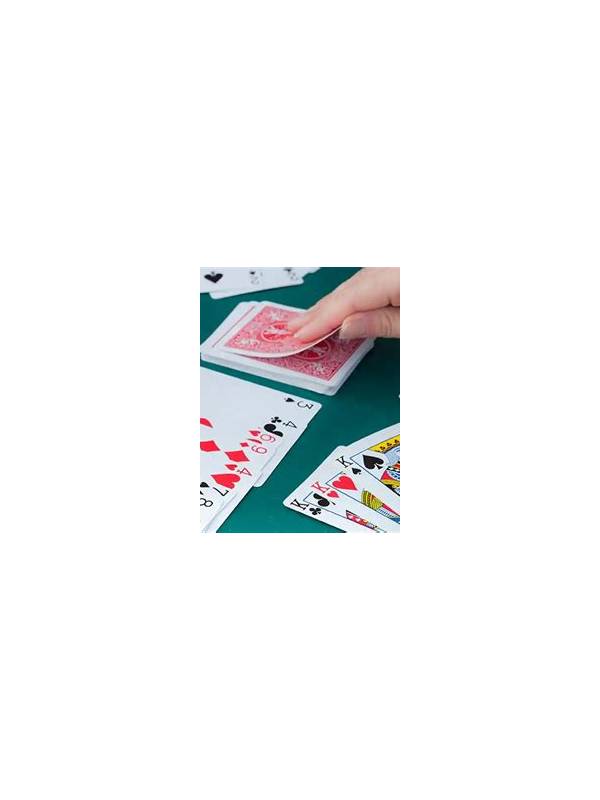
Rummy FAQ: What Does a Failed Draw Actually Tell You?
Does a failed draw mean the plan was bad? No. A draw can fail even when the plan was reasonable. The card may simply not have arrived during the available window. Review the quality of the decision using the information that existed before the draw, then review whether the failed draw changes the plan now.
What can the miss tell me? It can show that a route has not gained support, that your deadline is approaching, or that another project deserves comparison. If several draws have failed to improve the same narrow idea, the evidence against waiting becomes stronger. One miss usually updates a plan; it does not settle every question.
Should I chase the card longer? Ask what the next successful draw would accomplish and what you lose by waiting. If the missing card would create a legal, flexible group and the alternatives are poor, a short continuation may be justified. If it would only repair one small weakness while leaving the rest of the hand exposed, move toward a break point.
How do public cards matter? A visible card can make the miss more informative, especially if it closes or weakens a route under the active rules. Still, do not convert incomplete public information into certainty. Record what changed and what remains unknown.
The best response to a failed draw is an explicit update: the route is stronger, unchanged, or weaker; the deadline is the same or shorter; and the next candidate action is clear. This approach keeps you from blaming luck for every outcome while also avoiding the opposite mistake of abandoning a sound plan after one ordinary miss. For practice, write the expected response before revealing the next card. Then compare it with the response you wanted to make after seeing the result. If the two differ, identify whether the result supplied legitimate new evidence or simply created emotional pressure. This small experiment separates adaptation from hindsight and gives failed draws a useful, limited role in improving your process. For practice, predict your response before revealing the next card. Compare that prediction with your reaction afterward and label the difference as new evidence or hindsight. This keeps one miss from controlling the whole lesson.
Related Post
Rummy Practice: Identify the First Irreversible Choice
This practice drill teaches players to notice when a hand plan gives up flexibility and [...]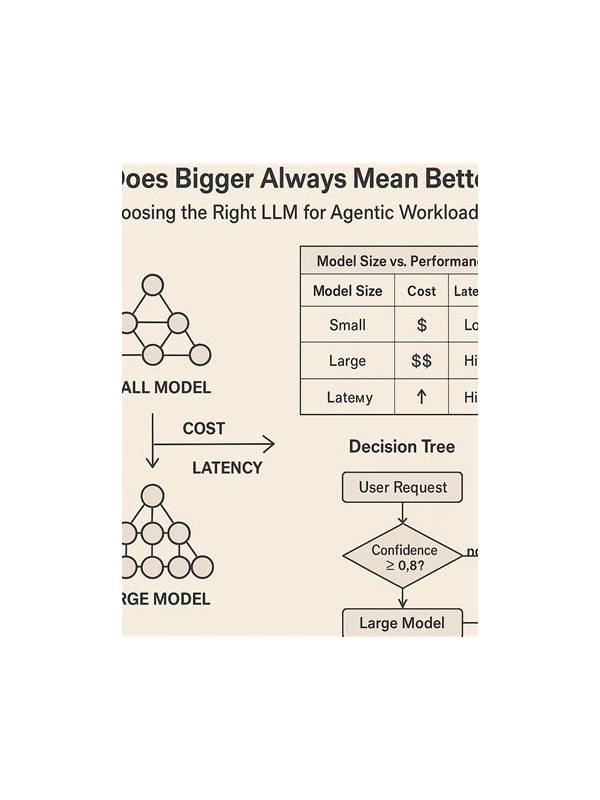
Rummy FAQ: Does a Bigger Draw Always Mean a Better Draw?
Compare immediate card count with the quality, flexibility, and risk of the improvement it creates. [...]