Rummy Table Decisions for Players Who Prefer Quiet Focus
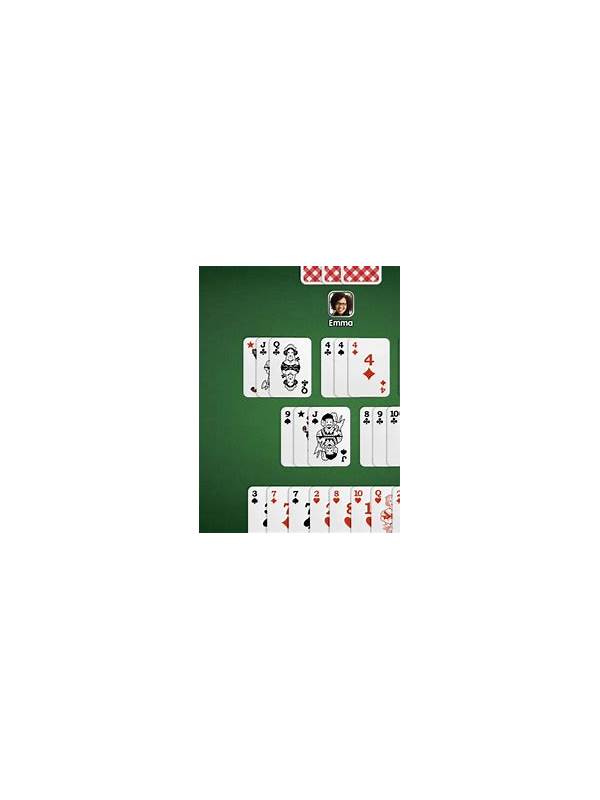
Some players think best in quiet conditions. Notifications, chat messages, music, and several open apps can interrupt card recognition and make a simple choice feel urgent. A quiet-focus routine can improve accuracy without requiring a special playing style.
Prepare the environment before joining. Silence nonessential notifications, close unrelated applications, and tell people nearby that you need a short uninterrupted period if appropriate. Use headphones only if they help and do not prevent you from noticing important real-world sounds. Keep the session away from situations where you must respond immediately to another responsibility.
Create a fixed decision sequence. For example, sort the hand, identify confirmed groups, check the highest-risk loose cards, inspect the open pile, and then choose an action. Repeating these steps makes the table less noisy because you know where to direct attention. The sequence should be short enough to use under a time limit.
Manage chat deliberately. You do not need to answer every message or interpret every emoji. Follow the platform’s etiquette and moderation rules, but do not let conversation determine your cards. If another player is hostile or distracting, use available mute or report controls and continue only if you can remain comfortable.
Quiet focus also means accepting uncertainty. You cannot see every hidden card or control another player’s speed. When information is incomplete, choose a plan with a reasonable fallback rather than trying to eliminate all risk. A calm player still loses some rounds; the difference is that the loss does not automatically create a second, impulsive decision.
End the session when focus has gone. Frequent misreads, repeated screen checks, or irritation are useful signals. Save any review note, close the table, and return later if desired. Quiet focus is a habit of protecting attention, not a demand to play longer. Some people focus better with a brief written intention, such as “sort before drawing” or “stop after three rounds.” Put it where it is visible without covering the game. When the table becomes noisy, return to that intention instead of responding to every distraction. If quiet conditions are impossible, choose a non-live learning activity such as reviewing sample hands. Good focus includes the ability to postpone play. Before joining, decide what “focused enough” means for you. It might be noticing every draw, following the checklist, or completing a round without checking another app. If that standard is no longer met, pause. A planned exit is a successful attention decision, even when the hand itself was unfinished.
Related Post
Rummy Safety: Pause Before Responding to Payment Prompts
A short verification pause can prevent rushed responses to unexpected rummy payment requests. [...]
Rummy How-To: Build a Small Error Log
A compact rummy error log turns repeated mistakes into specific questions for future practice. [...]