Rummy Safety: Pause Before Responding to Payment Prompts
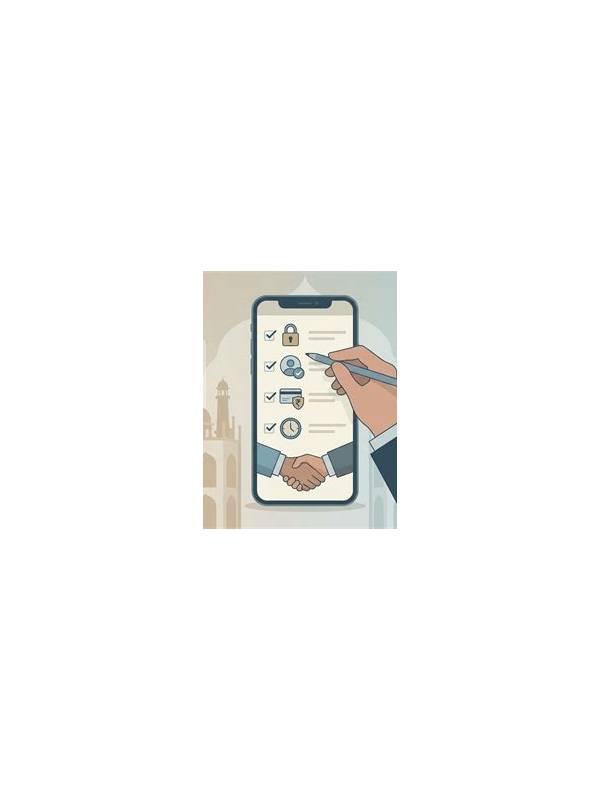
Payment prompts deserve a separate level of attention from ordinary game notifications. A message may claim that a deposit, withdrawal, verification, or fee is urgent. Urgency is not proof of legitimacy. Before responding, stop the game interaction and inspect the request through the platform’s normal account area.
Check who issued the prompt, what action it requests, and whether the same notice appears in the official transaction history. Be cautious with messages that ask for a transfer to a personal account, a gift card, a private wallet, or an unfamiliar payment address. Never share a password, one-time code, or full card details in a reply or chat.
If a withdrawal is delayed, read the published terms and status information first. Some services require identity checks or processing time, but a legitimate process should explain its requirements clearly. Do not pay a surprise “release” charge simply because a message says the balance will otherwise disappear. Verify the claim using support contact details found independently in the service’s known website or application.
Keep transaction records private. Screenshots should hide account numbers, addresses, balances, and verification codes before they are shared with support. Use a secure connection and sign out on shared devices. If you suspect unauthorized activity, change the password through the official sign-in page, enable available security controls, and contact the payment provider promptly.
The safest response to a surprising request is a pause, an independent check, and a clear record. A genuine service can tolerate verification time. If the prompt relies on secrecy, pressure, or an unusual payment route, treat those as warning signs and do not proceed until the request is confirmed.
Use a personal threshold for stopping. For example, any request that changes the usual payment route, asks for a code outside the normal sign-in flow, or threatens immediate loss should trigger a full pause. A threshold removes the need to debate while stressed. Close extra tabs, avoid clicking repeated prompts, and check the account from a separately opened official page. If money may already have moved, preserve timestamps and contact the relevant provider promptly. Do not attempt to recover funds by sending another payment to the same requester. Verification and documentation are safer first steps. No legitimate request should require secrecy from the account holder. When in doubt, wait and verify through a trusted route. Protecting a payment account begins with refusing rushed instructions. Verify first, respond second, and keep sensitive details private throughout.
Related Post
Rummy Session Design: Alternate Focus and Recovery Blocks
Alternating focused play with short recovery blocks can make a rummy practice session more sustainable. [...]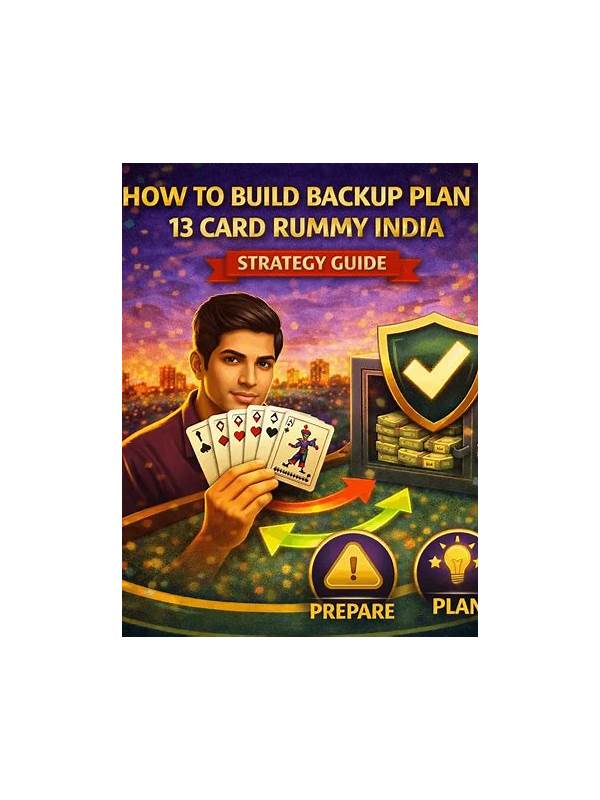
Rummy Guide: Build a Backup Plan Around One Strong Group
A reliable backup plan protects a confirmed group while keeping uncertain cards replaceable. [...]