Rummy How-To: Create a Personal Pre-Game Checklist
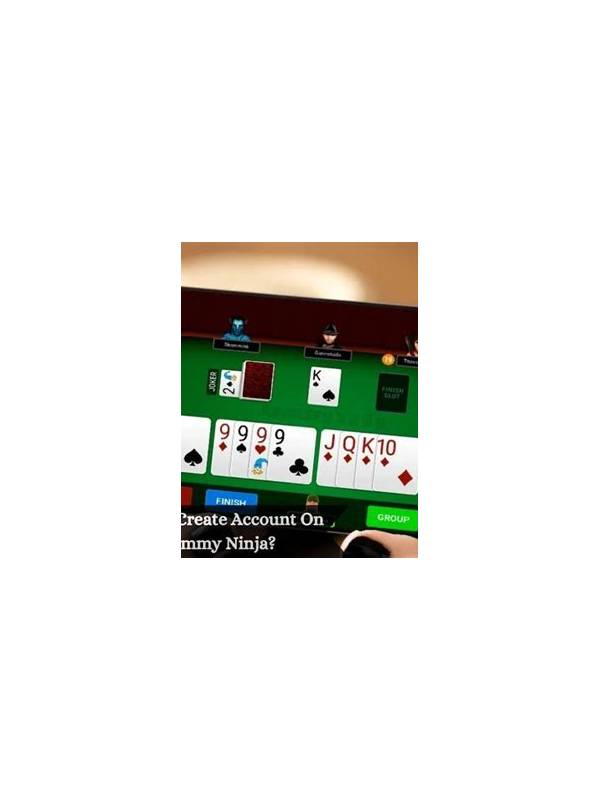
A pre-game checklist should prepare both your attention and your account. Keep it short enough to use every time. A useful list covers the rules, the session boundary, the device, and your state of mind. It is a preparation tool, not a promise that every hand will go well.
Begin with the format. Confirm the scoring method, number of cards, declaration requirements, joker rules, and time controls. If you are using an unfamiliar table, read its help panel before joining. Small rule differences can make a familiar strategy inappropriate.
Set a session boundary next. Decide how long you will play and what happens when the boundary arrives. If money is involved, set a limit you can afford to lose before beginning and do not increase it to chase a result. Consider using reminders or account controls where available.
Check the device and connection. Use a private network when possible, close distracting applications, and make sure the screen is readable. Avoid playing if you are exhausted, upset, or unable to give the table your full attention. A pause before starting is often cheaper than a mistake during a hand.
End the checklist with one process cue, such as “sort before drawing” or “review before declaring.” One cue is easier to remember than a paragraph of advice. When the session is over, stop at the boundary and record a brief note. Consistency turns preparation into a useful habit. Write the checklist in language that describes a visible action: “confirm rules,” “set stop time,” “check connection,” and “play only if attentive.” Avoid vague reminders such as “be smart” or “avoid mistakes,” because they are hard to apply under pressure. Four or five items are usually enough. If the list takes more than a minute, shorten it until it becomes routine.
Review the checklist occasionally. A platform update, a new device, or a change in local rules may make one item outdated. Keep financial boundaries separate from technical checks so that a device problem never becomes an excuse to change a spending limit. Preparation works best when each boundary is decided before the first hand. The checklist should make starting safer, calmer, and more predictable. Read it before each session, even when the format feels familiar. Familiarity is exactly when people tend to skip the rule check, overlook a changed setting, or start playing while distracted. Preparation is most useful when it is brief enough to repeat.
Related Post
Rummy Tips for Recovering Focus After an Interruption
A short reset routine helps players return to a rummy hand without relying on memory [...]
Rummy Safety Guide: Review App Permissions Before Playing
Checking an app’s permissions and download source is a practical step before signing in or [...]