Rummy Comparison: Sequence Anchors Versus Chasing a Set
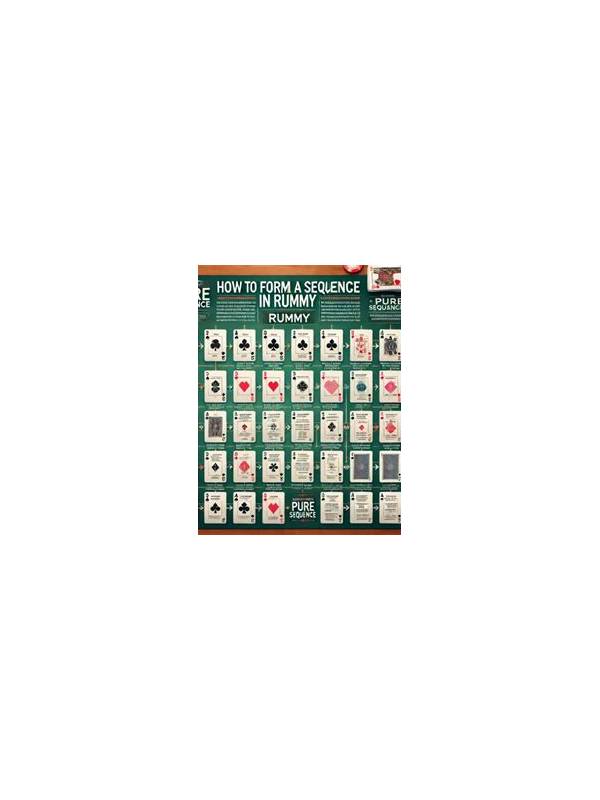
A sequence anchor is a small same-suit structure that already has a credible continuation. Chasing a set means holding cards that need one or more cards of the same rank. Both routes can improve a rummy hand, but they carry different forms of uncertainty. Comparing them helps prevent a player from treating every possible group as equally strong.
Suppose you hold an eight and nine of one suit. That pair is a sequence anchor because a seven or ten may extend it. If you also hold two queens of different suits, you have a set route that needs another queen. The sequence route may offer more neighboring ranks, while the set route may require a narrower match. The exact strength depends on the cards already visible and the rules of the variant.
Begin with repair distance. Count how many cards each route needs before it can become part of a valid arrangement. Then consider the number of useful improvements. A pair that can accept cards on both sides may be more adaptable than a pair with only one missing rank. A set candidate can be attractive when a third matching rank is likely and the cards do not carry excessive points.
Next, consider opportunity cost. Keeping two queens may prevent you from holding a low card that connects two other cards. Keeping the sequence anchor may preserve a useful structure but leave a high singleton elsewhere. Compare the whole hand rather than choosing a route in isolation.
Use a time limit for speculative routes. If several draws pass without progress, reassess the set candidate. Conversely, do not break a sequence anchor automatically just because the next card did not arrive. Ask whether the anchor still has realistic exits and whether another route is now clearly better.
The comparison is not a fixed rule that sequences always beat sets. It is a checklist: repair distance, useful improvements, opportunity cost, and a deadline for review. When those factors are visible, your choice becomes a reasoned plan instead of a guess based on which cards look attractive. In a practice exercise, deal a sample hand and pause before the first discard. Write one sentence supporting the sequence anchor and one supporting the set route. Then identify the card each route would release if no improvement arrived. This makes the comparison concrete and gives you a reviewable reason for the choice. The better route is the one that fits the whole hand and remains manageable under uncertainty.
Related Post
Rummy Opponent Observation: Use Visible Information Carefully
Observing discards can provide context, but careful players avoid treating limited evidence as certainty. [...]
Rummy Safety: Spot Pressure in Promotional Messages
Recognizing urgency and pressure language can help players evaluate promotions without rushing into a decision. [...]