Rummy Tournament Schedule Planning for a Balanced Day
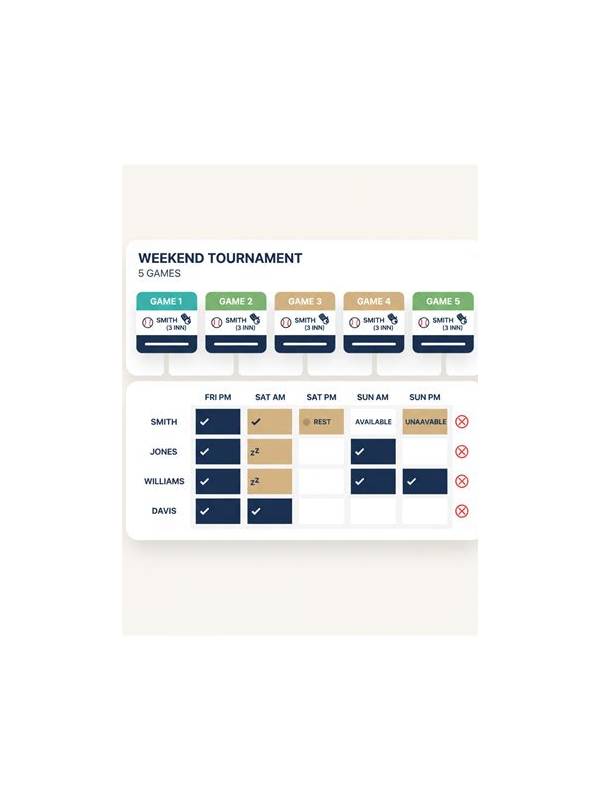
Tournament schedules can encourage players to join one event after another without noticing fatigue or rising costs. Planning the day in advance helps you treat each event as a separate choice instead of reacting to the previous result.
List the event times and the expected duration before entering. Include registration deadlines, late-entry rules, breaks, and any re-entry window. Leave space between events for a proper pause. A schedule that allows only a few seconds between tables makes rushed decisions and accidental entries more likely.
Set a total daily budget, then divide it into clear limits. Decide how much, if anything, can be used for registration and how much is reserved for unexpected fees. Never treat winnings as permission to exceed the original ceiling. A result changes your balance, not the affordability of additional risk.
Plan food, water, and screen breaks. A tournament may require sustained attention, so place a short break after each completed event or at a fixed time. If the platform does not permit pausing, choose events that fit your available attention rather than forcing a long session.
Define an exit rule for emotional pressure. You might stop after a frustrating elimination, repeated technical problems, or signs of tiredness such as skipped confirmations. This is not a prediction about how the next event will go; it is a way to protect decision quality.
Check the conditions of each event independently. Confirm the variant, entry amount, prize distribution, timer, player count, and any bonus terms. Similar event names can hide different structures. If the rules are not clear, use practice mode or skip that event.
Keep a small schedule note with three columns: event, planned limit, and actual decision. After the day, record whether you followed the plan and what caused any change. Do not focus only on profit or loss. The useful measure is whether the schedule matched your time, attention, and budget.
Tournament planning should make stopping easy. If you cannot comfortably leave after the planned final event, reduce the number of events. A balanced day gives you time to review the hands, recover from surprises, and close the app without chasing a result. Protecting tomorrow’s time and attention is a valid reason to skip the final event.
Related Post
Indian Rummy How-To: Explain a Hand Without Revealing It
Use neutral labels and private notes to study a hand while protecting information at a [...]
Rummy Practice Review: Turn Notes Into One Useful Lesson
Limiting a practice review to one observable lesson makes improvement more practical and sustainable. [...]