Rummy Tips for Handling a Blocked Sequence
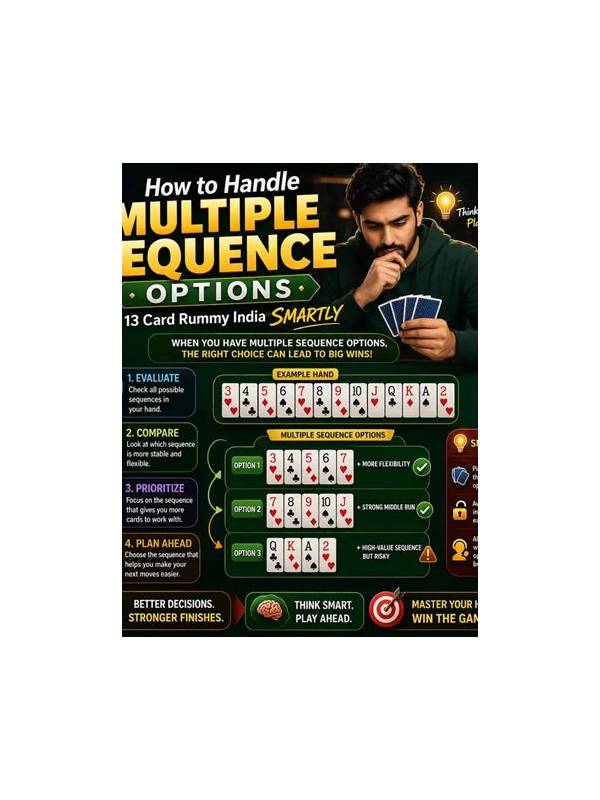
A blocked sequence is a group of cards that looks close to completion but depends on a card that is no longer a sensible target. The missing card may have appeared in the discard pile, been taken by another player, or simply failed to arrive while your hand accumulated penalties. The skill is not predicting the future; it is knowing when to stop investing in a weak route.
First, name the exact missing card or cards. “This suit is promising” is too vague to guide a decision. “I need the six of hearts to connect these two cards” is useful. If the route needs two different cards in a particular order, write both down. A precise requirement makes the cost of waiting easier to see.
Next, count the cards that the blocked route ties up. Two cards might be easy to release, while four cards can make the hand rigid. Look for alternate uses before discarding anything. A card from the blocked group may form a set with a rank match, or one end may join a different sequence. Keep only the portion with a realistic second route.
Set a stopping rule before the next draw. For example, you might allow one more draw when the missing card is useful and the held cards have low penalty value. If the next draw does not improve the route, release the weakest card. A stopping rule prevents frustration from turning one uncertain idea into the entire hand’s strategy.
When you abandon the route, discard in stages. Remove the least flexible card first, then reassess the remaining cards. This is safer than throwing away the whole group because the first discard may reveal a better pairing or preserve a useful connection. The goal is to regain options, not to punish the failed plan.
Review the decision after the round. A blocked sequence can be a reasonable hold even if it never completed. Ask whether the original information justified the wait and whether your stopping rule was clear. That review improves future timing without confusing a bad result with a bad decision.
It also helps to distinguish blocked from merely unfinished. An unfinished route still has several useful connectors and may coexist with other plans. A blocked route has lost its practical support. Recheck the discard pile and your hand before making the distinction. The clean switch is a strength, not a failure. Write the stopping rule before the next deal if this decision is difficult.
Related Post
Rummy Guide: Compare Cards by Recovery Value
Recovery value measures how many useful directions remain when a card does not improve the [...]
Rummy Table Tour: What to Check in a New Variant
A short table tour helps you understand an unfamiliar rummy variant before the first meaningful [...]