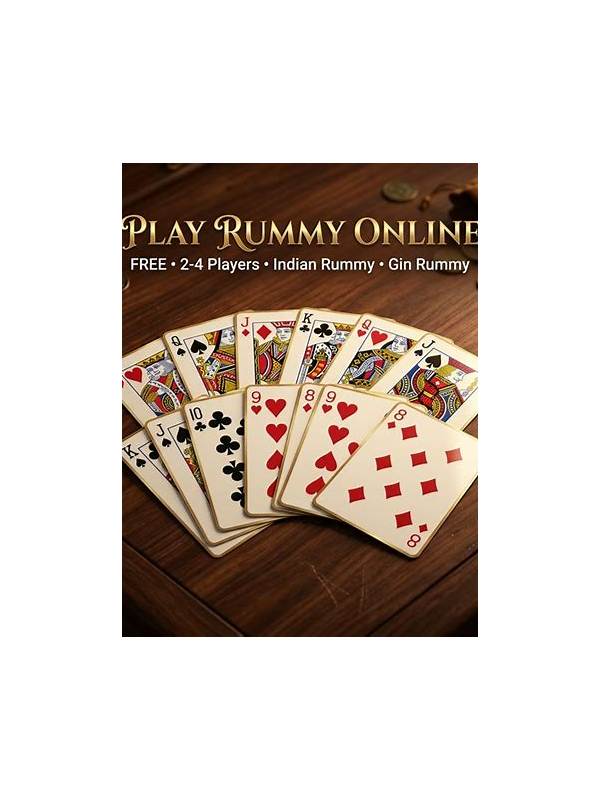
Rummy Hand Planning With a Three-Column Worksheet
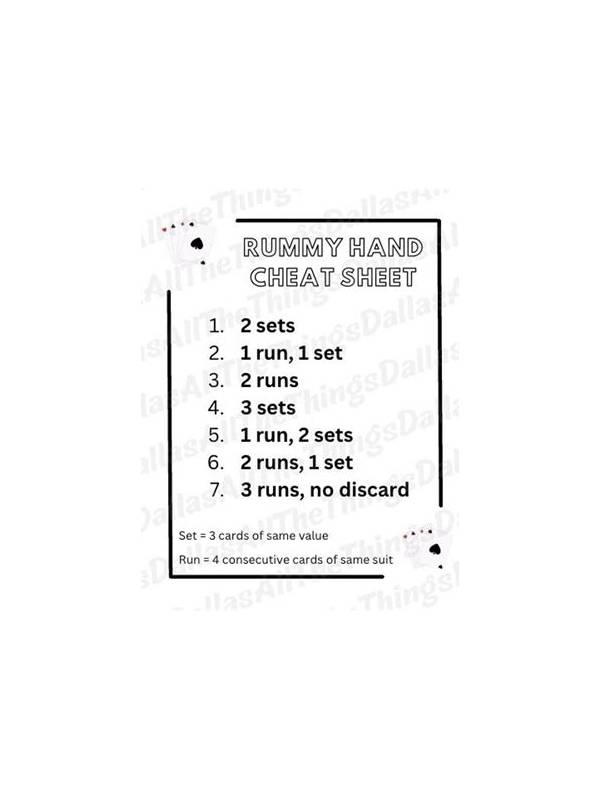
A rummy hand can feel difficult when every card seems to belong to several possible combinations. A three-column worksheet makes the uncertainty visible without pretending that the final hand is already known. The columns are confirmed melds, useful links, and uncertain cards. You can use the method on paper, in a notes app, or mentally after a few practice rounds.
Start with confirmed melds. A confirmed meld is a group that already satisfies the rules of the variation you are playing. A clean sequence is usually the most valuable example because it protects your progress. A completed set may also belong here, provided you have checked that it does not prevent the required sequence structure. Mark these cards together and avoid breaking them casually.
The second column is for useful links. These are pairs or small groups that could become a meld if a particular card appears. A five and seven of the same suit suggest a six, while two matching ranks suggest a third card of that rank. Write the missing connection beside each link. This turns vague hope into a specific question: is the required card still likely, and how long can you afford to wait?
Put everything else in the uncertain column. High cards with no connection deserve special attention because they can create a large penalty if the hand ends suddenly. A low card that has no current neighbor may also be expendable, even if it looks harmless. Do not assign a permanent value to a card; reassess it after every draw and discard.
At the start of your turn, scan the columns in order. Protect confirmed melds, compare useful links, then choose the weakest uncertain card. If a draw completes a link, move the new meld to the first column and update the remaining cards. If an opponent takes a card that your link needed, cross out that plan rather than continuing to wait for it.
The worksheet is not a promise to keep every possibility. It is a quick way to reduce mental clutter and expose cards that have survived only because you have become attached to them. Practice with low-pressure rounds, and soon the three columns will become a natural part of your turn routine.
For a worked example, imagine that a confirmed sequence is protected, two cards need one connector, and three isolated cards have different penalties. The worksheet shows that the connector pair deserves comparison, while the isolated high card is a more urgent discard candidate. If the next draw helps neither route, the notes make it easier to release the weakest link instead of staring at the whole hand again.
Keep the worksheet private and practical. It is not intended to predict an opponent’s cards or replace knowledge of the rules. Its value is that it gives each card a current job, which makes the next decision smaller and more manageable.
Related Post

Rummy Safety: Check a Withdrawal Status Without Repeating Requests
A calm withdrawal check protects your account and reduces duplicate requests when a payment status [...]
Rummy FAQ: How Do You Compare Flexible and Safe Cards?
Learn how flexibility and safety differ when you are deciding which rummy card to keep. [...]