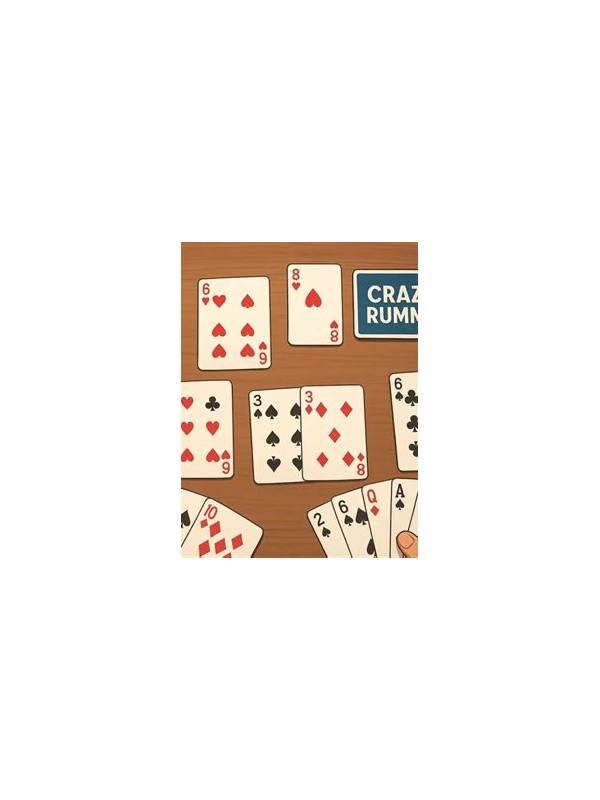
Rummy Strategy: Build a Discard Ladder
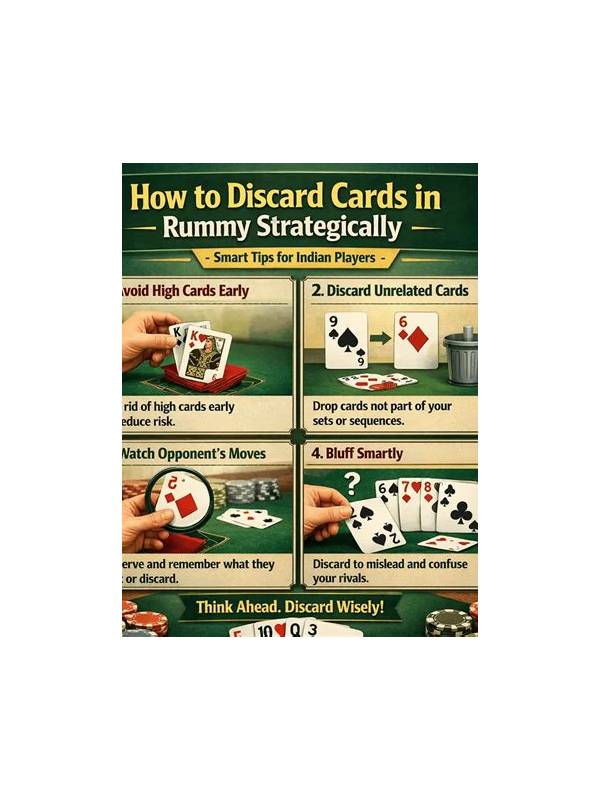
A discard ladder is a short ranking of the cards you could release next. It keeps a hand from becoming dependent on one rushed decision. The ladder should change as draws and visible information change, but having a starting order improves clarity.
Begin with cards that are both expensive and isolated. A high card with no same-suit neighbor often belongs near the top of the ladder because it creates penalty risk without offering a clear connection. Next consider duplicated roles. If two cards support the same weak plan, one may be a sensible second choice.
Place confirmed groups outside the ladder. They already have a job and should not be treated as casual discards. Likely groups may enter the ladder only when their completion becomes less realistic. Speculative cards should be compared by the number and quality of their possible connections, not by how interesting they look.
Review the ladder after every draw. A new card may complete a group and move another card to the top. A visible discard may reduce the practical value of a plan. Do not keep an old ranking simply because you wrote it first. The ladder is a decision aid, not a promise.
Use it before taking a discard as well. If a pickup would force you to throw away a card that currently sits low on the ladder, the pickup may be worth considering. If it forces out a flexible, low-risk card, ask whether the visible gain is real. This comparison connects the draw to the full hand.
The system works best when it stays short. Three or four candidates are enough. A long list creates another form of clutter. The goal is to know which card you can release if the next draw disappoints, so that each turn begins with a plan and ends with a deliberate choice.
Over time, review whether your top candidate was actually a good discard. If not, identify what evidence you missed. A ladder improves through small corrections and can become a reliable habit for managing uncertain hands. An example makes the method concrete. Suppose you hold a complete sequence, a pair that needs one neighbor, and two isolated face cards. The face cards are likely first candidates, while the pair remains protected for a short review window. If a draw completes the pair, the ladder changes immediately. If two turns pass without support, the pair may move upward and the safer face card may remain only if it has gained a connection. This approach keeps priorities visible.
Related Post
Rummy Safety: Separate Play Money From Household Money
A clear separation between entertainment funds and essential money makes spending limits easier to follow. [...]
Rummy Guide: Build a Reliable Turn-End Routine
A short routine before every discard can prevent avoidable errors without slowing a game excessively. [...]