Rummy FAQ: Why Does a Complete Set Not Finish the Hand?
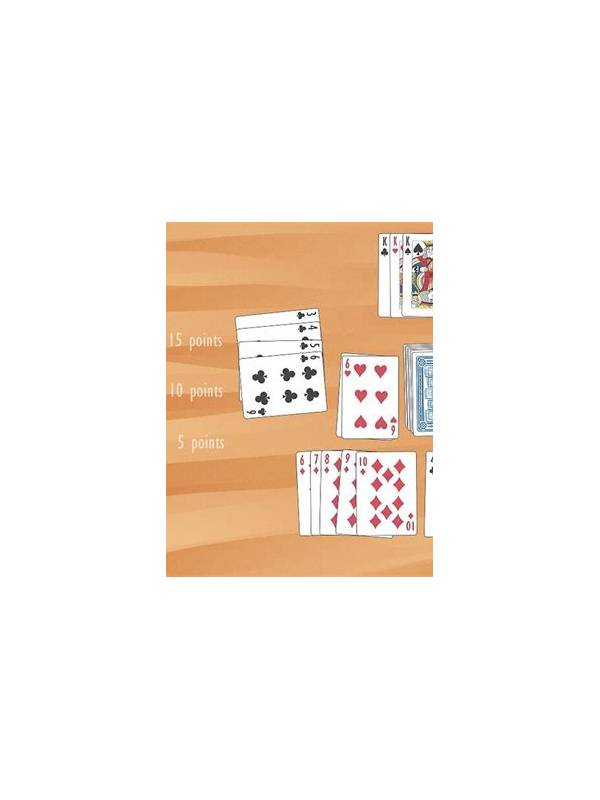
A complete set can feel like a major milestone, yet it may not be enough to finish a rummy hand. A set groups cards of the same rank, while many formats also require sequences and at least one pure sequence. The hand must satisfy all relevant conditions together.
First, confirm the rules of the variant you are playing. Formats can differ in the number of cards, joker treatment, scoring, and declaration requirements. Never rely on a memory from another table if the current help page or table description gives a different explanation.
Next, inspect the remaining cards by structure. If the set is confirmed, set it aside mentally and focus on the sequence requirement. Look for a same-suit run that uses no joker. A pair is only a possible beginning, and a joker-assisted run may not satisfy a pure-sequence rule. Separating these questions prevents the completed set from creating false confidence.
Then check every card for membership. A hand may contain a valid set and a valid sequence while still leaving one or two loose cards outside any group. Those cards can carry points and can invalidate the declaration. Before declaring, name the group that contains each card and verify that no card has been counted twice.
Jokers deserve a final review. They can complete an impure sequence or set where the rules allow it, but they do not automatically repair an absent pure sequence. If a joker is doing essential work, state exactly which card it represents. Vague grouping often hides a gap.
If the hand is not complete, use the set as an anchor rather than abandoning it. Focus the next draws on the weakest required structure, and release isolated high cards when possible. A set provides stability; it does not remove the need to manage the rest of the hand.
The best declaration check is calm and mechanical. Confirm the variant, confirm the pure requirement, map every card, and only then act. That routine turns a disappointing near-finish into a clear next decision. The same check helps when an interface offers a declaration button early. Treat the button as a prompt to verify, not proof that the hand qualifies. Count the cards, identify each group, and compare the arrangement with the current table rules. If one card is unexplained, keep playing and improve the weakest part of the hand. A few seconds of checking can prevent an avoidable invalid declaration and the point cost that may follow.
Related Post
Rummy Safety: Recognize Misleading Urgency in Promotions
A safety guide to evaluating countdowns, limited offers, and other pressure signals around online games. [...]
Rummy Practice: Compare Cards by Replacement Difficulty
Replacement difficulty is a useful practice lens for deciding which loose rummy card to release. [...]