Rummy FAQ: Does a Lower Point Total Always Mean a Better Hand?
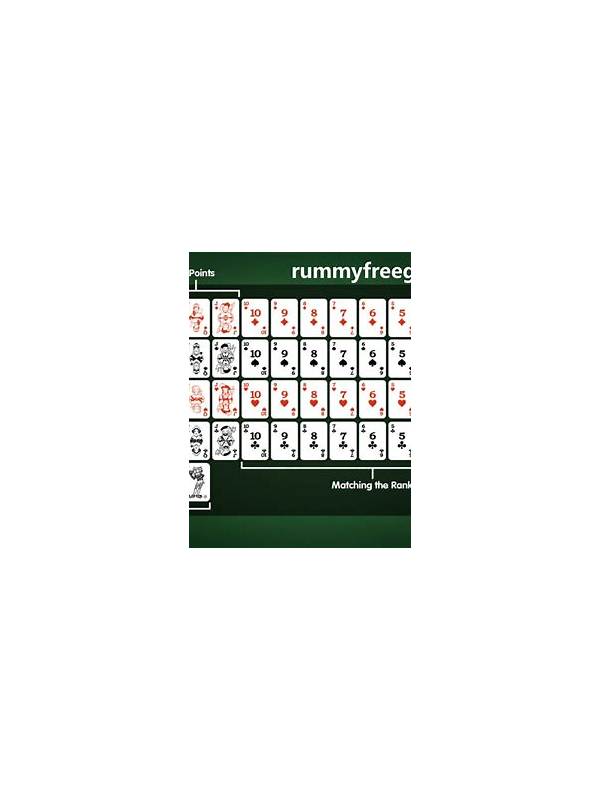
A lower point total does not always mean a better rummy hand. It is an important safety measure, especially when a round could end before you complete your melds, but points should be judged alongside structure. A hand of low cards with no realistic connections may be safer than a collection of high cards, yet it may also be difficult to finish.
Begin by separating protected points from exposed points. Cards already in valid structures have a different role from singles and speculative pairs. Then look at repair cost. A low card that needs one specific companion may be less useful than a medium card that can connect in several directions. The goal is to reduce exposure without destroying all routes to completion.
Flexibility provides the next check. Count the believable uses of the remaining cards rather than every imaginable use. A hand with moderate exposure and two clear routes may be stronger than a low-exposure hand with one narrow route. Be honest about what the rules allow and about which cards have already appeared.
Finally, consider timing. Early in a hand, preserving a credible route may justify holding a card with some exposure. Later, when fewer turns remain, reducing points can become the priority. The balance changes as information accumulates. A simple rule that works at every stage is unlikely to fit every situation.
Use point totals as a warning light, not a complete rating. Ask: are the points exposed, are the structures valid, how many repairs are plausible, and what happens if the next draw misses? Those questions produce a more useful decision than chasing the lowest number alone.
The same principle applies when comparing two possible discards. One may reduce points immediately, while the other may leave a lower total but preserve a route with several improvements. State the trade-off explicitly and decide which risk matters at that stage of the hand. Rules and scoring vary, so consult the format description when the point consequences are unclear.
It is also useful to distinguish a low total that comes from valid melds from a low total created by several unrelated low cards. The first reflects progress; the second may only reflect reduced penalty. During review, note which kind you held so that future comparisons are more precise.
This distinction prevents a low-score hand from creating false confidence. Keep checking whether your remaining cards can actually be organized under the table’s rules.
Related Post

Rummy Guide: Estimate Repair Steps for a Loose Hand
Counting the repair steps in a loose hand makes it easier to compare promising cards [...]
Rummy How-To: Use a Two-Pass Sort for a New Hand
A two-pass sorting routine makes a new rummy hand easier to read before strategy begins. [...]