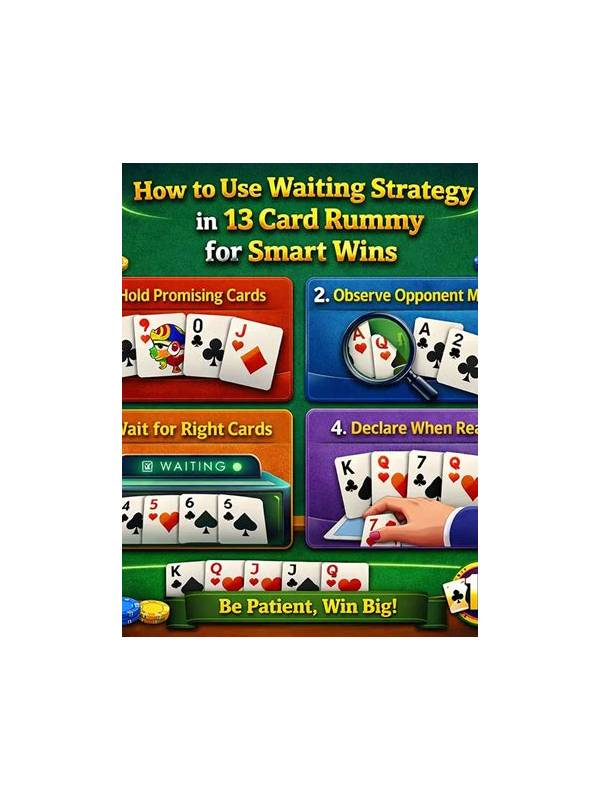
Rummy How-To: Use a Two-Pass Sort for a New Hand
The routine should be short enough to repeat. The second pass should be short enough to repeat. Mark a card’s strongest job, compare two or three routes, and then stop. If you keep rearranging without changing the questions, you are probably seeking certainty that the hand cannot provide. Make the best legal choice from the visible information and reserve more detailed analysis for a later practice review. With physical cards, place finished groups slightly apart, keep candidate routes in a consistent order, and leave isolated cards visible. Consistency reduces the mental cost of checking the hand. If a table rule requires a particular number of sequences or sets, write that requirement down before dealing. Sorting can reveal structure, but only the rules determine whether the final structure is acceptable.
The first few seconds after receiving a hand can influence every later choice. Sorting too quickly into a favorite pattern may hide a better structure. A two-pass sort separates observation from planning, so you can see the hand before deciding what it should become.
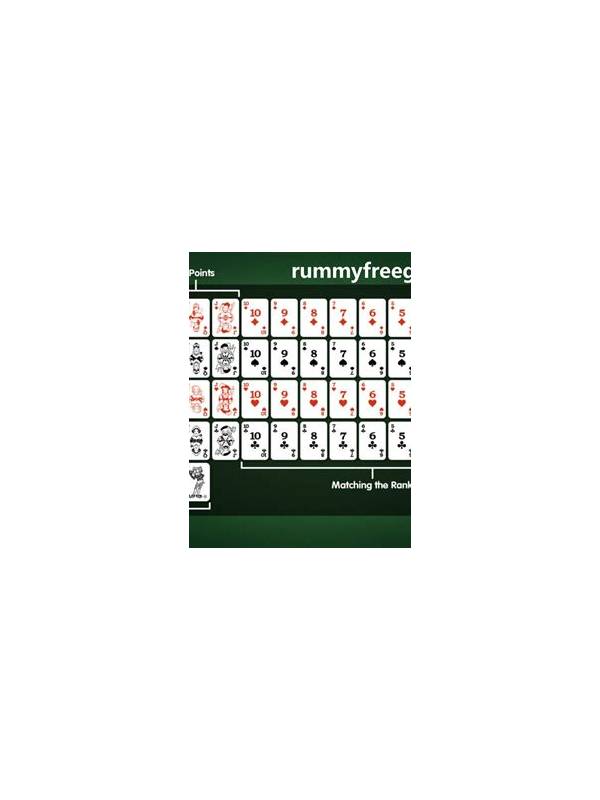
In the first pass, arrange cards by suit and rank. Do not decide which cards are valuable yet. Mark completed groups, exact pairs, adjacent cards, and isolated cards. The goal is an inventory. If playing digitally, use the layout that makes rank and suit easiest to distinguish rather than the layout that looks most decorative.
In the second pass, examine connections across the sorted hand. For each card, identify its strongest current job. It may belong to a finished group, support a sequence, join a set, or have no clear role. Avoid assigning five jobs to one card. Record only realistic routes that use cards you hold or a small number of missing cards.
After the two passes, rank the routes by repair cost and penalty exposure. Choose one primary plan and keep one backup. If the hand contains a required structure that is close to complete, protect it while checking whether the remaining cards can be simplified. Do not continue sorting indefinitely; the purpose is clarity before action.
Repeat a shorter version after each draw. New cards can change the best grouping, but you do not need to rebuild the whole hand every time. Check what changed, which route improved, and which card now has the weakest job.
The two-pass method works with physical cards and digital tables. It creates a consistent starting point, reduces tunnel vision, and gives each discard a reason.
Related Post
Rummy Guide: Choose a Tie-Breaker for Equal Discards
A consistent tie-breaker turns two similarly weak discard options into a quick and explainable decision. [...]
Rummy Guide: Read Discard Patterns Without Guessing Too Much
Use discard patterns as cautious evidence while keeping your own hand decisions independent and disciplined. [...]