Rummy Comparison: Early Discard Versus Late Discard Pressure

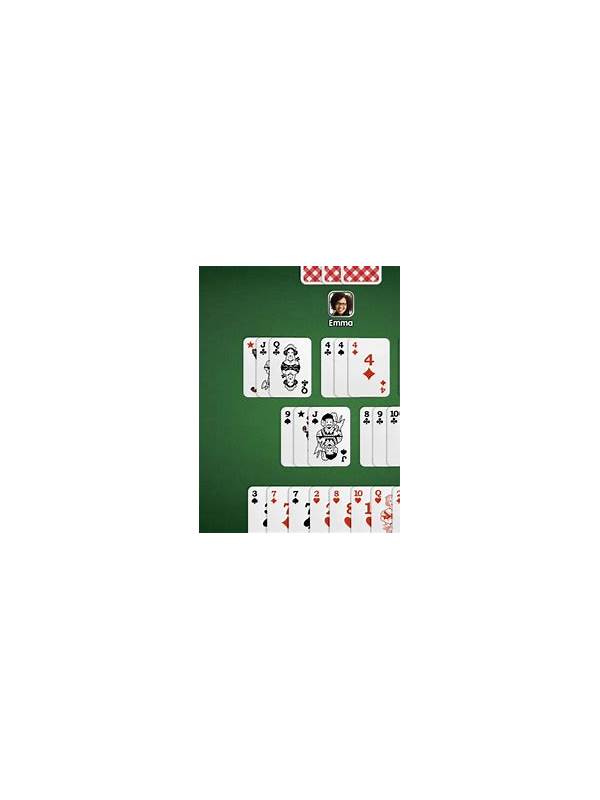
Discard timing changes the value of a card. An early discard is made with limited information and plenty of turns ahead, while a late discard is made under pressure with fewer chances to repair the hand. Comparing these situations helps explain why one fixed rule rarely works.
Early in a hand, the main goal is to improve structure. You can release an isolated high card, a duplicate that has no clear set path, or a connector that competes with stronger plans. Because several draws remain, you may keep a modest possibility while observing what others take. The cost of experimenting is lower, provided your scoring risk is understood.
Late in a hand, the question becomes more urgent: which discard leaves the best chance of a valid declaration or the smallest penalty? A card with moderate future value may be more useful than an attractive new idea if it preserves a nearly complete group. Avoid rebuilding the whole hand because of one tempting draw when the deadline is close.
Information also grows over time. Discards reveal what may be unwanted or useful to other players, but the evidence is incomplete. Early observations should guide attention rather than dictate a move. Later, repeated patterns can make one discard more dangerous, yet even then you should not keep a costly card solely to block a hypothetical opponent.
The mental pressure is different too. Late play encourages urgency, and urgency can make a player hold a card simply because it once looked promising. Use a short comparison: current group value, points at risk, number of realistic outs, and distance to a valid hand. Apply the same questions to every candidate.
The best early discard often simplifies the hand; the best late discard often protects its strongest remaining route. Neither is defined by the card alone. Review the timing, available information, and consequences. That habit creates a more accurate understanding of decisions than judging every discard by the final score.
Keep the comparison descriptive rather than absolute. “This card is risky because it leaves a high penalty” is more useful than “this card can never be discarded.” The hand can change on the next draw, and a good player remains willing to update. Timing is a reason to adjust priorities, not an excuse to abandon careful reasoning.
The comparison is especially useful when the table pace changes. A fast round may require a compact mental version, while a practice table allows a written note afterward. In both settings, compare the actual information available rather than using the final revealed hand to rewrite the decision.
Related Post

Rummy FAQ: When Is a Flexible Card Actually Too Flexible?
Flexibility is useful only when a card still has a realistic route to completion. [...]
Rummy Tips: Mark the Moment Your Plan Changes
A visible plan-change marker helps prevent old assumptions from directing later rummy turns. [...]