Rummy Guide: Compare Two Draw Choices Before You Commit
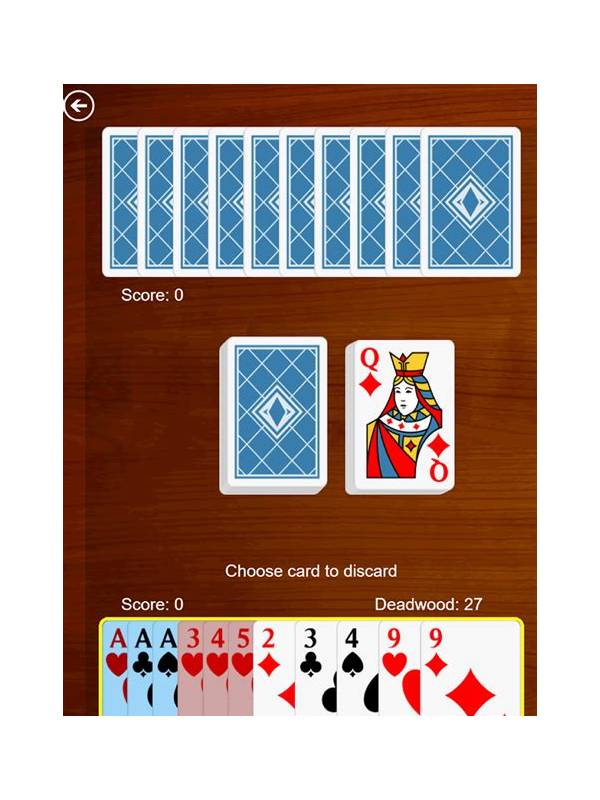
When two draws look reasonable in rummy, the hardest part is often resisting the first attractive card. A short comparison can make the decision clearer. You do not need exact probabilities; you need to ask which choice improves several parts of the hand while exposing fewer useful clues.
Start by naming the immediate gain. A discard-pile card may complete a pair, extend a sequence, or create a second route. A stock card is unknown, but it protects your information because opponents cannot see what you selected. Write the gain in one phrase, such as “completes a middle run” or “keeps two flexible connectors.” If you cannot describe the gain, the card may only look useful because it is high in value.
Next, count the cards the choice leaves behind. A completed group is valuable, but a hand with one narrow plan can become awkward after a single blocked draw. Compare the number of plausible next cards for each route. A sequence with two open ends is usually more flexible than a pair that needs one specific rank, even when both options reduce the visible deadwood by the same amount.
Consider what your selection tells opponents. Taking a visible discard can reveal a suit, rank neighborhood, or likely sequence. That information has a cost. It may be worth paying when the card creates a strong, nearly complete meld. It is less attractive when the card merely starts a fragile idea and lets everyone adjust their discards.
Finally, check your next discard. A good draw should make at least one discard easier, not leave you holding another awkward card. If the stock option gives you a chance to improve several categories, while the visible option forces you to keep a high card and announce a plan, the unknown draw may be the better practical choice.
Use this three-question pause: What does the card complete? How many follow-up cards help? What does my choice reveal? Make the draw only after answering all three. The aim is not to avoid uncertainty. It is to choose uncertainty that leaves your hand adaptable.
It also helps to separate a good draw from a satisfying draw. Completing a visible pair feels concrete, while taking an unknown card feels passive, but the unknown card may preserve several future arrangements. If you keep a small note of the reason for your choice, later reviews become more accurate. You can ask whether the comparison was fair or whether you favored certainty simply because it was visible. Over several hands, this habit improves decision quality without pretending that every result can be predicted.
Related Post
Rummy Table Reset After a Long Pause
Reconstruct the game state safely before making a move after an interruption. [...]
Rummy Guide: Use a Consistent Table Exit Routine
A short exit routine helps you close a rummy session with clear records and without [...]