Rummy Rules FAQ: When Is a Set Complete?
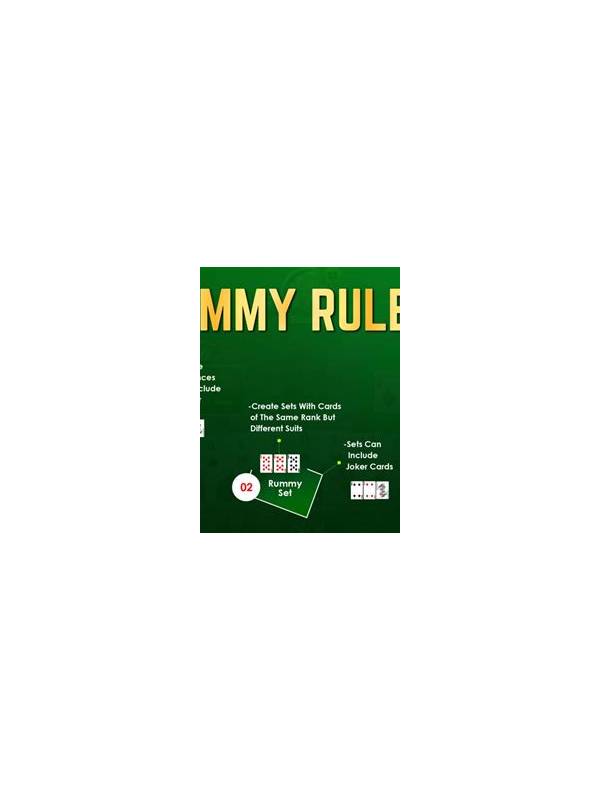
A set is a group of cards with the same rank and different suits, subject to the rules of the rummy variant being played. In a common thirteen-card Indian rummy game, three or four cards of the same rank may form a set. The cards must be distinct physical cards; two cards showing the same rank and suit cannot both belong to one ordinary deck arrangement.
The first check is rank. If the group contains a seven, eight, and nine, it is not a set because the ranks differ; it may be a sequence only if the suits match and the rules permit that order. A group of three queens can be a set when the queens come from different suits. The second check is suit uniqueness. If two cards share both rank and suit, investigate whether the table uses multiple decks or whether the arrangement is simply invalid.
Jokers require a third check. Some rules permit a printed or wild joker to substitute for a missing card in an impure set. The substitution should be clear, and the completed group must still satisfy the table’s minimum and maximum sizes. A joker does not turn any three unrelated cards into a set. Always read the help page for the specific platform because terminology and limits can vary.
Before declaring, inspect the set as part of the whole hand. A valid set alone is not enough if the remaining cards do not meet the required sequence conditions. Count every card once, identify the required pure sequence, and verify that no card has been silently used in two groups. If the application provides a declaration preview, use it as an additional check rather than assuming it replaces the rules.
The safest habit is to build groups slowly and confirm their role after every draw. When uncertain, preserve a natural sequence and avoid relying on an unverified joker interpretation. Rules literacy prevents many losses that have nothing to do with luck, while a final card-by-card audit protects against hurried arrangement errors.
If a rules page is unclear, save the question and use a free practice table or official support channel to clarify it. Do not rely on a social-media comment as the final authority. Variants may use similar words for different conditions, so the table-specific explanation matters more than a general memory of another game. Take particular care with the difference between a set and a sequence. Same rank and different suits describe a common set, while consecutive ranks in one suit describe a sequence. A joker may alter the details, but it does not erase the underlying distinction. If an application highlights a group, inspect the explanation and compare it with the written rule. A few seconds of confirmation is cheaper than discovering a misunderstanding after submission.
Related Post
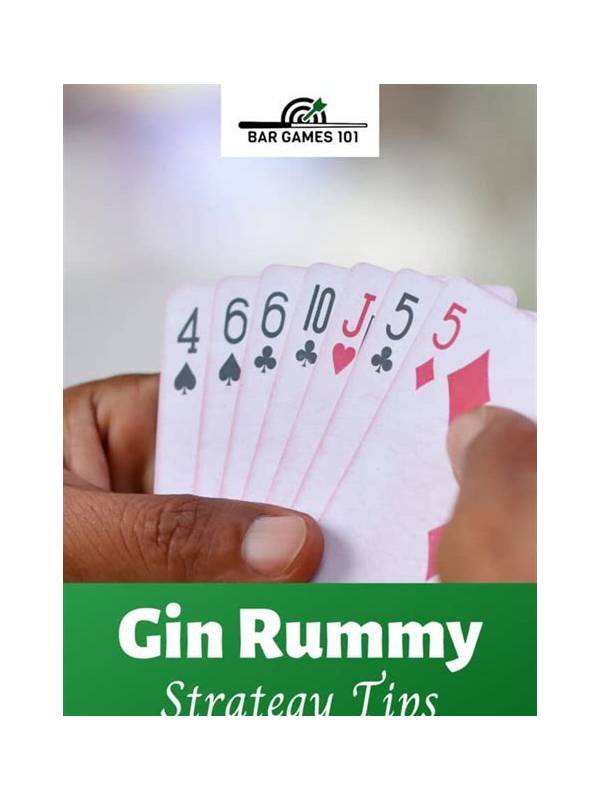
Rummy Strategy: Use a Turn-by-Turn Commitment Meter
A simple commitment scale helps you notice when a promising idea has become too expensive [...]
Rummy FAQ: Why Does a Pair Feel Better Than It Is?
Pairs are easy to notice, but their real value depends on available extensions, timing, and [...]