Rummy Tips: Count Unfinished Groups, Not Just Cards
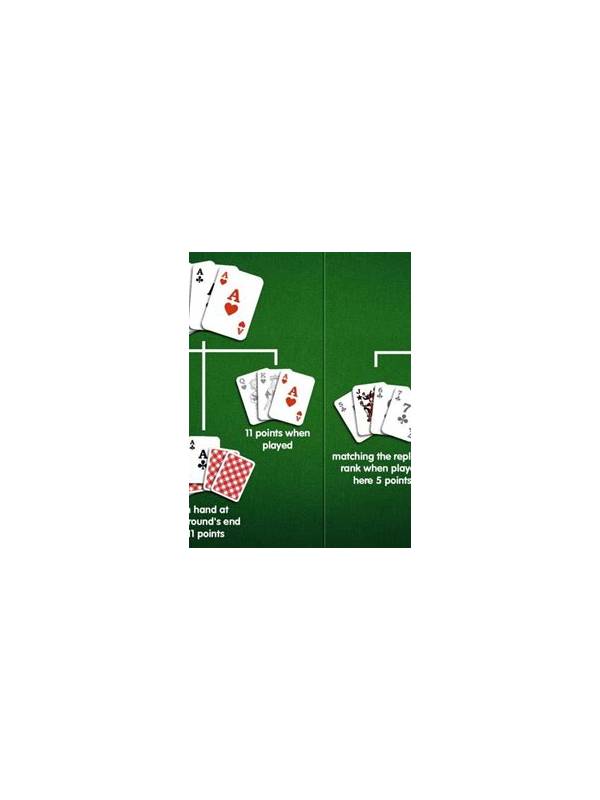
A hand can contain many cards that look connected while still having too many unfinished groups. Counting cards alone hides this problem. Count the projects instead. A project is a set of cards that needs one or more changes before it can become a legal group. Fewer, better-supported projects often make the next discard clearer.
Start by placing each card in one provisional group. Mark groups that are complete, groups that need one card, groups that need several changes, and cards that have no credible home. If a card appears in two projects, mark the competition rather than counting it twice. This prevents apparent flexibility from inflating the quality of the hand.
Then compare the project count with the number of turns you reasonably expect to have. Three unfinished projects may be manageable early if two share useful connectors. The same three projects may be dangerous late, especially when each needs a different exact card. The count is not a prediction of the result; it is a warning about workload.
Reduce projects by combining only when the combination is legal and supported. Two partial sequences in the same suit may become one clearer route, while a pair and a connector may remain separate. Do not merge cards merely because they sit near one another. A false merge makes the hand look simpler while hiding a missing requirement.
Use project count when comparing discards. If discarding one card removes an entire weak project, it may improve clarity even when the card has a low printed value. If discarding another card damages the only route to a complete group, its apparent simplicity is misleading. Choose the action that reduces unfinished work without creating a larger penalty.
Review the count after every meaningful draw. A new card may complete a project, create a project, or make two projects compete. Each result needs a different response. Keeping the count visible also makes a deadline easier: when a project survives several turns without evidence, you can release it instead of carrying it as a vague possibility.
The goal is not to eliminate every unfinished group immediately. Early flexibility has value. The goal is to know how many decisions your hand is asking for and whether the available turns can support them. Project counting turns a crowded hand into a manageable workload.
Use the count as a conversation with yourself, not as a score. A hand with two projects can be worse than one with three if the two are narrow and expensive. Check the quality of each project before celebrating a lower number. The useful count combines workload with support, completion distance, and the cost of abandoning a route.
Related Post
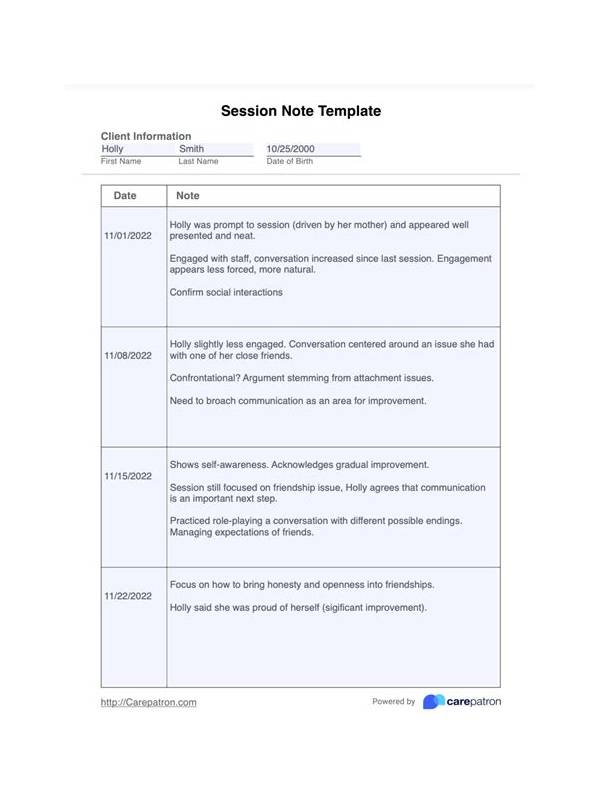
A Three-Column Rummy Session Note Template
A compact three-column template helps players review choices, evidence, and outcomes without interrupting the game. [...]
Rummy Comparison: Local Memory Versus Written Card Tracking
Memory and notes each help with rummy awareness, but the better choice depends on pace, [...]