Rummy Safety: Keep Play Records Free of Sensitive Information
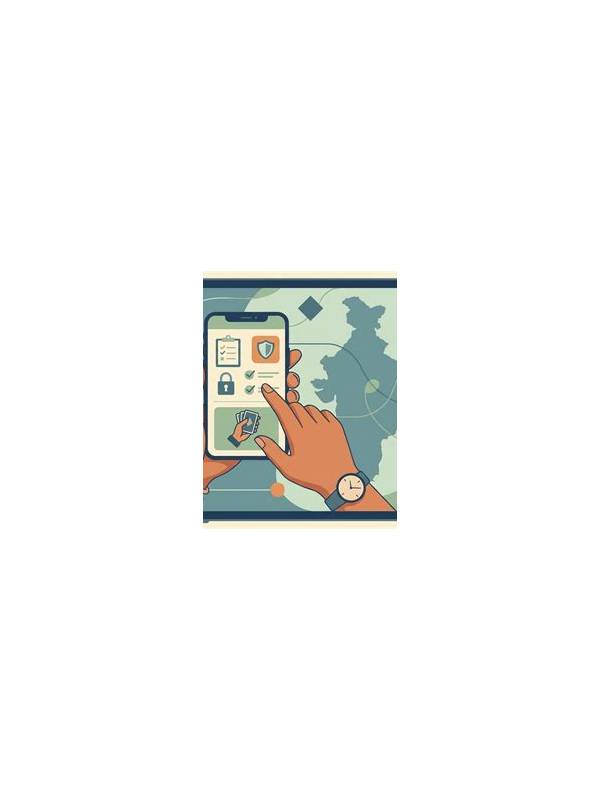
A play journal can help you review patterns, but it should not become an accidental store of sensitive information. Keep strategy records focused on decisions, card structures, and general session notes. Do not mix them with passwords, payment details, identity documents, security answers, or one-time verification codes.
Use neutral labels for the information you do record. You might note the format, the broad hand shape, the decision you made, and what evidence you missed. There is rarely a need to write an account number, a full name, a phone number, or an exact balance. If a support issue must be documented, keep that record in the platform’s official support channel or a secure location intended for private data.
Review old notes periodically. Remove copied messages, screenshots with visible personal details, and temporary codes that no longer serve a purpose. Before sharing a lesson with another player, scan for names, usernames, table identifiers, transaction references, and images that reveal more than the strategy itself. Redact or replace those details with general descriptions.
Protect the journal according to the device you use. A shared device should not leave the record open, and an unlocked cloud document may expose every entry to other users of the account. Use the platform’s normal privacy controls and sign out when appropriate. Never paste credentials into a notes field just because it is convenient.
The goal is a useful record with a small privacy footprint. Write enough to reconstruct the decision, but not enough to create a new security problem. A clean journal makes review easier because it separates game learning from account administration and personal information. If a note accidentally contains sensitive material, do not copy it into another document while organizing it. Remove the exposure through the normal secure process, then create a fresh strategy-only entry. When in doubt, leave out the detail. The lesson usually depends on the decision pattern, not on the private identifier attached to the session. A safe journal entry might include a date, a general format, one decision, and one lesson. That is enough to compare habits over time. If you need to discuss a problem with support, create a separate case record and follow the service’s instructions for protected information. Keeping the two records separate makes accidental disclosure less likely and keeps strategy review quick. A short journal should teach you something without becoming a second account profile. Review it for that balance before keeping it long term.
Related Post
Rummy Comparison: Short Hands and Long Hands Demand Different Plans
Compare the planning priorities of fast short hands with the patience required by longer formats. [...]
Rummy Tips: Use a Two-Name Test for Every Route
Naming both the intended group and its fallback exposes weak rummy plans quickly. [...]