Rummy Comparison: Review by Decision or Review by Outcome
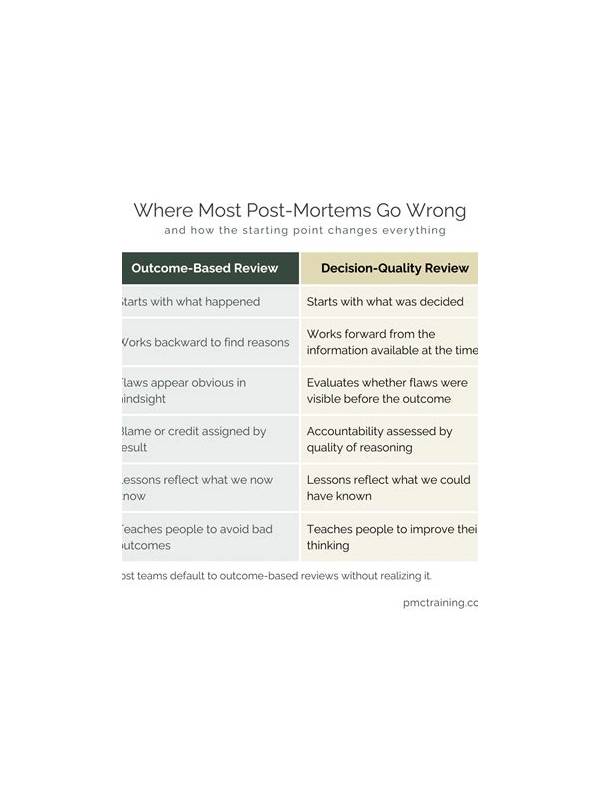
There are two common ways to review a rummy session. Outcome review asks whether a hand was won or lost. Decision review asks what information was available and whether the chosen action was reasonable. Outcome review is easy to record, but decision review produces better learning because results contain luck and hidden information.
Outcome review is useful for tracking broad patterns such as session length, limit adherence, or repeated technical problems. It can show whether a format creates unusual variance. Its weakness is emotional weight. A win can hide a weak process, while a loss can follow a sound choice. Treating the result as a complete evaluation makes improvement unstable.
Decision review focuses on moments that changed the hand. Identify the cards, legal routes, public evidence, and alternatives known at the time. Then ask whether the action improved the complete structure, managed penalty, and preserved a reasonable exit. Do not use information revealed later as if it were available earlier.
The two methods work together. Record the outcome briefly, then select one or two decisions for deeper review. If a favorable result followed an unclear decision, keep the process question open. If an unfavorable result followed a well-supported choice, avoid “correcting” a method merely to make the outcome different next time.
Use a balanced note: result, decision, evidence, uncertainty, adjustment. The uncertainty field is important because it prevents the review from pretending that every hand had one obvious answer. The adjustment should be specific, such as “set a deadline for a one-card route,” not “be more careful.”
Review patterns across several hands rather than one dramatic example. A single loss may be noise; repeated late releases of high cards may be a process issue. Keep the record short enough that you will actually use it.
Outcome review tells you what happened. Decision review helps explain how you responded. Keeping both in their proper roles gives you a fairer picture of progress and reduces the temptation to chase results as proof of skill.
You can also review confidence separately. Mark whether the decision felt clear, uncertain, or rushed, then compare that feeling with the evidence. A confident result can still rest on weak reasoning, while a hesitant decision can be structurally sound. This extra label helps identify attention problems that a win-loss record cannot show. This keeps the review grounded in evidence rather than confidence alone.
Related Post

Rummy FAQ: When Should You Break a Small Group?
A small group is valuable only when its alternatives and timing justify keeping it intact. [...]
Rummy Practice: Recreate a Hand From Memory
Recreating a short rummy hand from memory trains observation without requiring a live or paid [...]