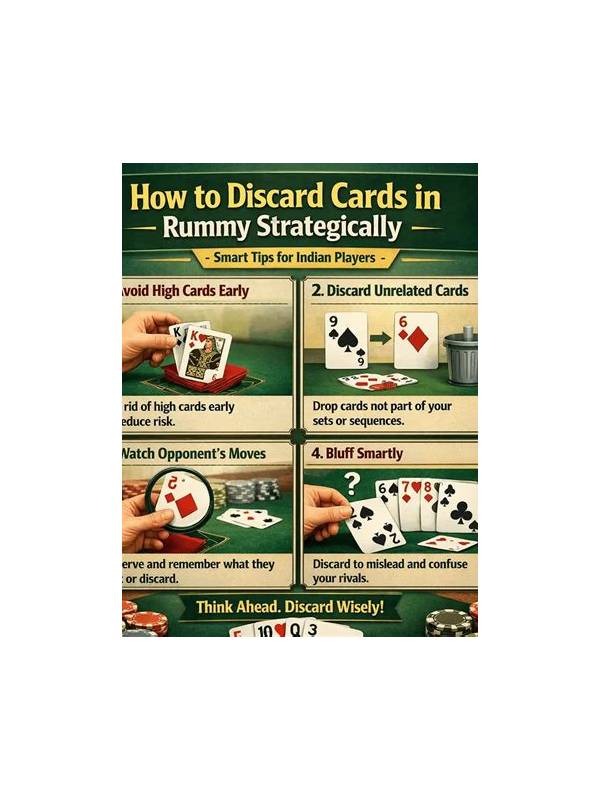
Rummy Comparison: Review by Points or by Future Connections

When choosing between two discard candidates, players often use either point value or future connections. Each measure is useful, but each can mislead when used alone. A balanced review considers the cost of holding the card and the opportunities it preserves.
Point value answers a simple question: how costly is this card if the hand ends before it joins a group? High cards deserve attention because they increase exposure. Discarding a high single can be sensible, especially when it has no realistic route. But a high card already attached to a strong sequence may have little remaining risk, so point value alone should not decide the move.
Future connections ask how many useful groups a card could support. Middle cards and cards beside existing same-suit cards often have more routes. A connected low-point card may still be less useful than a high card that completes a required sequence. Connections are potential, not progress; count only legal and plausible arrangements.
Use a two-column check. For each candidate, note “cost if stranded” and “benefit if retained.” Then add a third note: “what does this discard reveal or give away?” Releasing a card from a clear sequence may make an opponent’s plan easier, while keeping it may preserve a hidden alternative. Do not overstate this information effect, but include it when the table provides evidence.
The best discard usually lowers exposure without destroying the hand’s strongest requirement. If point and connection measures disagree, prefer the card that has a clear deadline and the card whose removal leaves a better next turn. Reassess after each draw because the balance changes as groups become confirmed.
This comparison is particularly helpful in review. Instead of saying “I should have thrown the high card,” record whether that card had a route, what requirement it supported, and what alternative the other discard preserved. The habit leads to better decisions than memorizing a single rule about ranks. The habit leads to better decisions than memorizing a single rule about ranks.
You can also compare the candidates by asking which one would be hardest to replace. A card with several substitutes may be released even when it is connected, while a card that protects a rare requirement may deserve to stay despite its points. This is not permission to keep every unusual card. It is a reminder to distinguish replaceability from appearance. Make the judgment using the current hand and visible information, then reassess when a new card changes the available routes.
Related Post

Rummy Comparison: Written Notes Versus Voice Review
Compare two ways to review rummy decisions and choose the format that produces lessons you [...]
Rummy How-To: Write a One-Line Plan After Each Draw
A one-line plan keeps the next decision visible and makes later hand reviews faster and [...]