Rummy Guide: Build a Table-Side Question Ladder
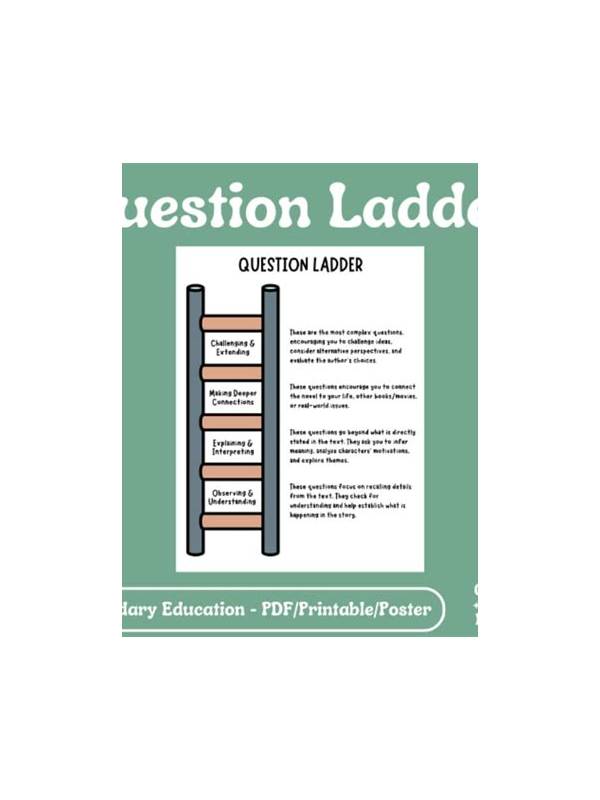
Uncertainty is normal in rummy. A useful response is not to search for a perfect prediction, but to ask the same small set of questions in the same order. A question ladder keeps attention on the hand in front of you and prevents one attractive card from taking over the whole turn.
Start with the legality question: what groups are already complete, and which cards are genuinely available for a new group? This prevents a pair from being mistaken for a finished set or a near-run from being treated as more secure than it is. Next ask the structure question: which two or three cards have the clearest connection? A connection can be a neighboring rank, a shared suit, or a plausible set relationship.
Then ask the repair question. If you keep a card, what exact future card would make that choice useful? Naming the missing card exposes vague hope. If several cards could help, note that as flexibility; if only one narrow card works, note the risk. Follow with the replacement question: if the draw does not arrive, what can you discard without damaging a stronger route?
The final question is about information. Does taking the open discard reveal a preference or remove a card another player may need? This is not a reason to avoid every useful discard. It simply adds context to the immediate gain. In a fast game, the ladder can be reduced to legality, structure, repair, and replacement.
Practice the ladder with old hands or a standard deck. Pause before each draw and answer aloud or in a brief note. Over time, the questions become a habit rather than a burden. The goal is not to make every decision slow. It is to give uncertain turns a stable shape, so speed comes from familiarity instead of pressure.
Adapt the wording to the table. In practice, add a question about what the last turn taught you. Under a timer, combine legality and structure, then keep repair and replacement as a quick final check. The order matters more than the exact words. During review, revisit one difficult turn and answer the questions using only the information available then. This separates decision quality from hindsight and turns a missed question into a specific lesson.
The ladder is also useful when teaching another player. Explain the questions without presenting them as guaranteed tactics. Different variants may require different legality checks, and a platform’s timing rules can alter the order. Keep the process flexible while preserving its purpose: separate what you know from what you hope, then choose the smallest sensible action.
Related Post
Rummy Tips: Use a Stop Point After Three Unhelpful Draws
A defined stop point can prevent a fading rummy plan from absorbing every later decision. [...]
Rummy Comparison: Early Discard and Late Discard Priorities
Early and late turns call for different discard priorities because the value of flexibility changes. [...]