Rummy How-To: Use a Three-Layer Hand Sort
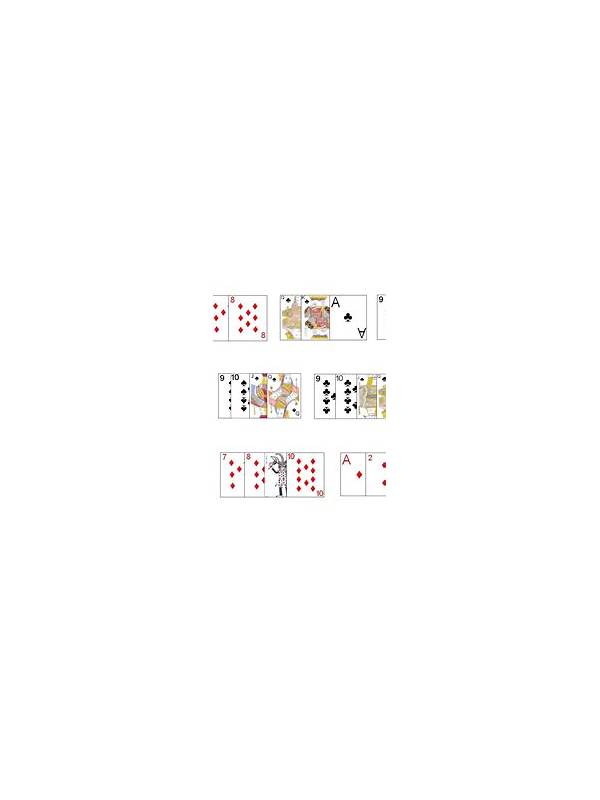
When a rummy hand looks crowded, sorting only by suit or rank may not be enough. A three-layer hand sort adds decision context without requiring a detailed record of every card.
Layer one is certainty. Place cards that already form a valid group, or are one clear step from a strong group, at the top of your attention. These cards are not automatically untouchable, but they deserve protection because they contribute directly to a legal finish. Check the exact rules of your chosen format before calling a group complete.
Layer two is possibility. These are cards that could join more than one plan. A middle card in a suit may connect in two directions. A duplicate may support a set or combine with a sequence elsewhere. Possibility cards are valuable because they preserve choices, but they should not be mistaken for completed progress.
Layer three is risk. These cards have no current group, few realistic connections, or a high penalty if left stranded. Risk cards are not always immediate discards. One may become useful after a single draw, or it may be needed to protect a pair. The layer simply tells you where to look first when you need space.
After sorting, perform a compatibility check. If two cards appear in different layers but compete for the same missing card, mark that conflict. A hand with many attractive possibilities can be weaker than it looks when every plan needs the same connector. Similarly, two certain groups may leave you with too many ungrouped cards to finish cleanly.
Use the sort at three moments: after the opening deal, after a meaningful draw, and before a risky discard. At the opening, it gives you a starting map. After a draw, it shows whether the new card changes a layer or merely adds another possibility. Before discarding, it reminds you to release risk before damaging certainty.
The sort should remain temporary. Move cards between layers as evidence changes. If a needed card appears in the discard pile, a possibility may become risk. If a duplicate arrives, a loose card may become part of a stronger group. Avoid defending the original arrangement just because it was your first idea.
This method is especially useful on a small screen or at a fast table. It turns a vague impression into three questions: What is already working? What is still flexible? What is costing attention? Those answers make the next draw easier to evaluate and help keep an ambitious hand grounded.
Related Post
How to Organize a Rummy Hand for Faster Decisions
Arrange cards by role so that useful groups remain visible when the clock is moving. [...]
Rummy How-To: Build a Last-Card Declaration Check
A final-card checklist that catches incomplete groups before you declare a rummy hand. [...]