Rummy Comparison: Fixed Hand Order Versus Dynamic Sorting
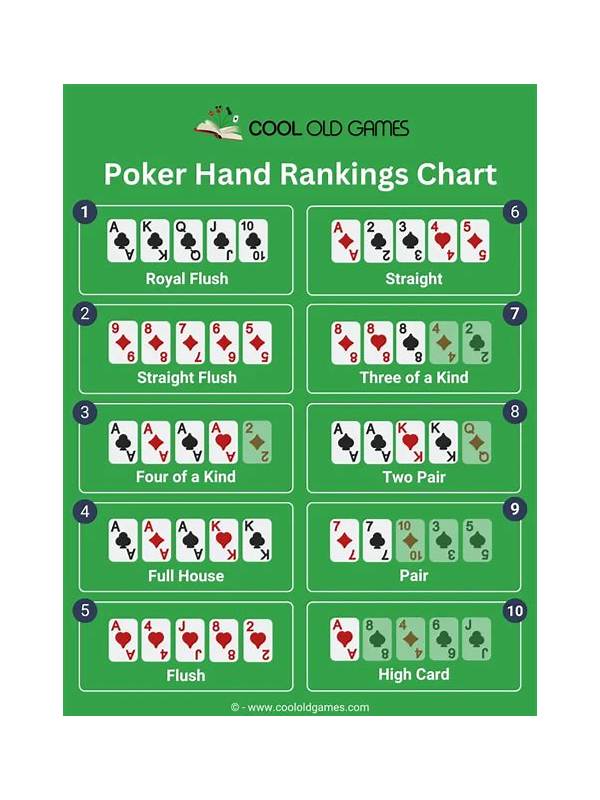
Card arrangement is not merely cosmetic. The way you order a hand changes what you notice, what you overlook, and how quickly you can check a declaration. Fixed ordering and dynamic sorting each have useful moments; the best choice depends on the task.
Fixed ordering means keeping cards in a consistent sequence, such as by suit and rank. Its main advantage is stability. After several turns, you know where to look for a suit or high card. This reduces visual searching and makes it easier to notice a newly drawn card. Fixed order is especially helpful on a small screen or when the interface rearranges cards unpredictably.
Dynamic sorting means grouping cards according to current plans. You might place a confirmed sequence together, keep a possible set nearby, and isolate uncertain cards. This makes relationships visible and can speed up a pre-declaration review. Its risk is that an attractive arrangement may hide a missing card or cause you to forget which cards are still unassigned.
Choose fixed order when observing the table or comparing new draws. It gives every card a familiar location and reduces accidental attachment to one idea. Choose dynamic sorting when evaluating several candidate groups or checking whether every card has a role. Switch deliberately, not whenever the hand feels confusing.
A useful compromise is a two-stage method. Keep a stable order during most turns. When you are ready to assess the hand, create temporary groups for confirmed sequences, possible sets, and leftovers. Then perform a rule check before acting. If you do not have time to regroup safely, return to the fixed order and use a written or mental checklist instead.
Whichever method you use, verify that the arrangement reflects the rules rather than your hopes. A group placed together is not necessarily valid. Periodically ask which cards are confirmed and which are only candidates. Good sorting should expose uncertainty, not hide it. The best layout is the one that makes legal structure and unresolved risk easy to see. If you play on more than one device, test how each interface sorts cards before a serious session. A setting that looks familiar on a large screen may place cards differently on a phone. Knowing the layout prevents a visual surprise from becoming a grouping or selection error. Try the method in practice games and notice which arrangement makes errors easiest to spot. Personal visibility matters more than a universal preference. A layout is successful when it reduces search time while keeping missing requirements and unused cards obvious.
Related Post

Rummy Guide: Use a Small Sample Before Changing Strategy
Test a rummy adjustment across a small, consistent sample before deciding whether it genuinely improves [...]
Rummy Comparison: Keeping a Connector Versus Keeping a High Card
Comparing a useful middle connector with an expensive high card clarifies how flexibility and penalty [...]