Rummy FAQ: How Do You Check a Group Before Laying It?
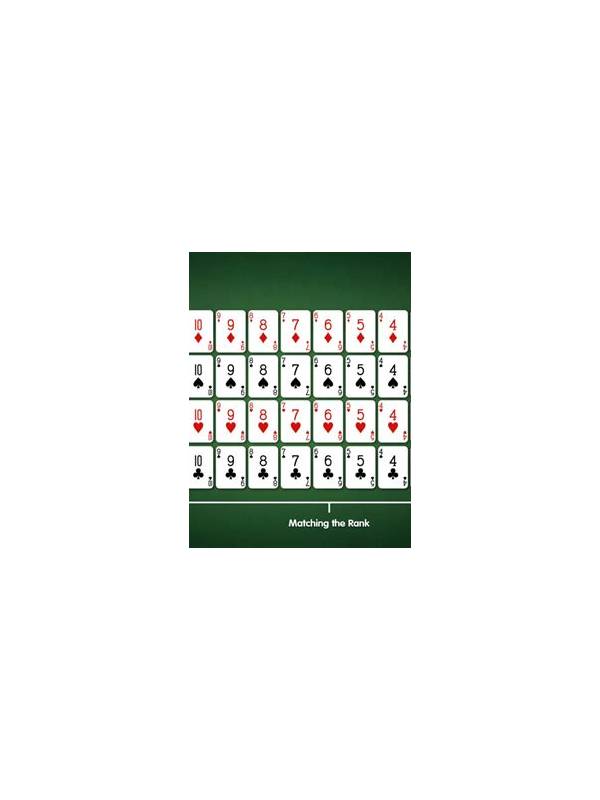
What should I check first? Identify the group type. A sequence generally depends on consecutive ranks in the same suit, while a set generally depends on matching ranks with distinct suits, subject to the variant’s rules. Do not check only whether the cards look visually similar. Say the intended group in plain words before treating it as complete.
How do I check a sequence? Read every card from one end to the other. Confirm that the suit is consistent and that ranks progress as required. Look for a gap hidden by a small screen or overlapping card display. A joker may cover a missing card, but its use must still follow the table’s rules.
How do I check a set? Confirm that the ranks match and that no two cards use the same suit when the rules require suit diversity. Count jokers separately and verify how many the variant permits. A group that seems complete in one format may be invalid in another.
What does duplication mean? One physical card cannot normally serve two groups at once. If you use the same seven of a suit to complete two possible sequences, only one plan can claim it. Mark shared cards while arranging the hand, then test whether every card has one and only one role.
Should I check points too? Yes, but after legality. A low-point group is not useful if it is invalid, and a high-point group may be correct if the rules allow it. Once the group passes the structural check, review whether keeping it supports the rest of the declaration.
What is a good final habit? Use a fixed scan: group type, rank, suit, joker substitution, duplicate use, and remaining cards. Perform it before laying down or confirming. If the app displays a warning, read the warning rather than tapping through it. A short deliberate check is faster than repairing a preventable declaration error.
The same scan works when cards are displayed in a different order. Start with the group you intend to use, then inspect the remaining cards instead of trusting the application’s visual arrangement. Consistency matters more than speed during the final few seconds before confirmation. When teaching this process, use a sample hand and ask a learner to explain the check aloud. If the table has an automated validation message, regard it as a last safety net rather than a replacement for understanding. Different platforms may phrase warnings differently, and a warning may not explain every strategic weakness.
Related Post
Rummy How-To: Make a Rule-Change Diff Note
A rule-change diff note records only what changed between two rummy formats or table rule [...]
Rummy Tips: Count Turns Instead of Chasing Card Counts
Counting remaining turns gives a more practical deadline than simply counting cards that might help. [...]