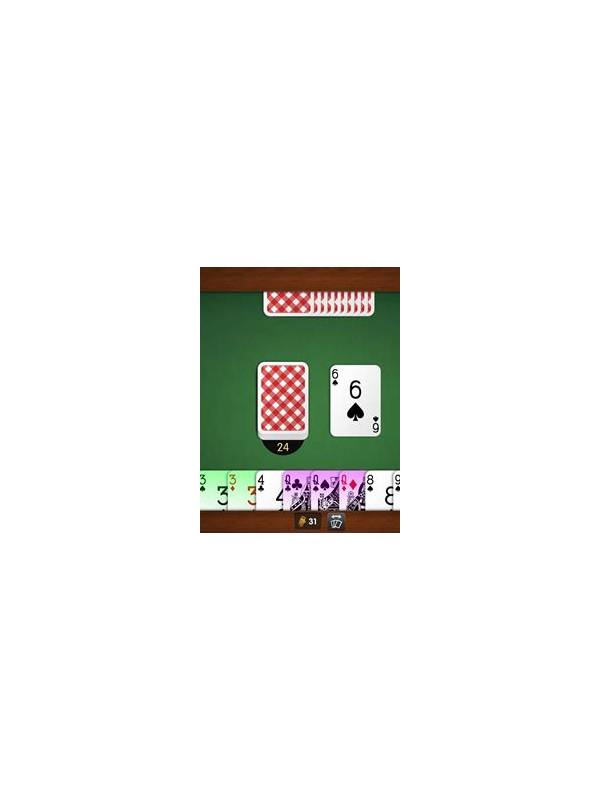
Rummy How-To: Recover After Misreading the Open Pile
Misreading the open pile is a normal rummy error. A player may overlook a suit, mistake the rank, or assume a card completes a group when it does not. The important response is not to defend the old idea; it is to rebuild the hand from the information now available.
First stop the chain of assumptions. Identify the exact card and the exact claim that was wrong. Was the card a connector, a duplicate rank, or a joker? Did it fit one sequence but conflict with another? Precise language turns embarrassment into a correctable observation.
The goal is to restore a reliable process, not to prove that the original choice was understandable.
Next, lay out the entire hand again. Separate completed groups, plausible pairs, single connectors, and unassigned cards. Check whether the mistaken card has a new role. It may still be useful, but its value should be judged by the current structure rather than by the reason you originally selected it.
Choose one short-term objective. You might protect a valid group, reduce an isolated high card, or test the strongest remaining sequence route. Avoid trying to repair every weakness in one turn. A narrow objective keeps the recovery manageable and reduces the chance of another rushed discard.
Before using the open pile again, read the card aloud internally by rank and suit, then compare it with the candidate groups. If the platform allows a practice or review mode, use it later to repeat the check. In a live hand, follow the table’s correction policy; do not assume an action can be undone.
After the hand, write one prevention rule. Examples include “check suit before rank,” “name the missing card,” or “never call a pair complete.” Keep the rule short enough to remember. One recovered mistake can become useful practice when the review ends with a changed process rather than self-blame. If the error involved a visual display, address that separately from strategy. Increase text size, adjust brightness, rotate the device, or use an accessibility setting if available. A card that is difficult to read creates avoidable uncertainty. Good recovery includes improving the conditions that caused the misread, not merely promising to concentrate harder.
If the action was caused by a connection or interface problem, note the time and use the platform’s official help route. Do not install an unverified “repair” tool or follow a stranger’s link. A technical recovery and a strategic recovery are different tasks, and separating them keeps both responses safer.
Related Post
Rummy FAQ: When Is a Pair Better Than a Near-Sequence?
A pair and a near-sequence should be compared by routes, timing, and point exposure rather [...]
Rummy Opening Hand Audit: Find the Loose Cards First
A quick audit helps new players see which opening cards have real grouping potential before [...]