Rummy How-To: Map a Hand Before Choosing a Discard
—
A useful map is also a communication tool for your future self. When you can name the cards that support each route, you are less likely to confuse a hopeful pattern with a workable one. Keep the language simple and update it whenever a draw changes the balance. Keep the review practical and brief. A clear reason is more valuable than a long explanation, because it can be tested on the next draw and revised when the hand changes.
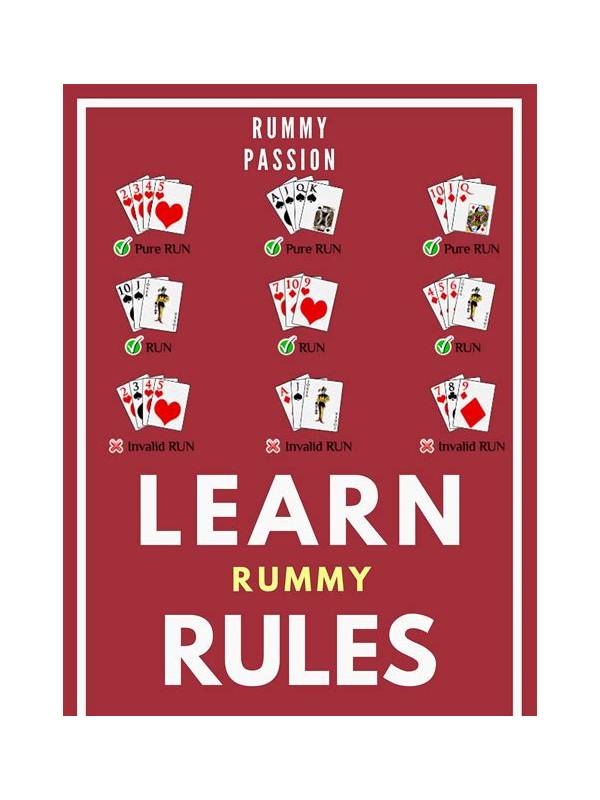
Mapping a rummy hand does not mean predicting every card. It means making the current structure visible before you commit to a discard. A short, repeatable scan can prevent a loose card from being thrown away simply because it looks awkward.
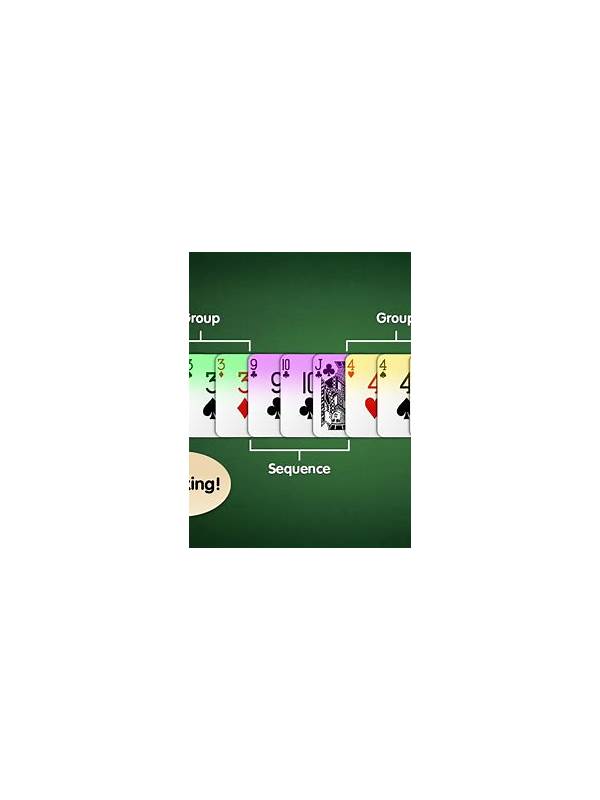
Start by separating cards into three temporary categories. The first is confirmed structure: a completed sequence or group that you would prefer not to disturb. The second is a promising connection: two cards that could become a sequence, or a pair that could become a group. The third is uncommitted material: cards with no immediate partner or useful adjacency. This first division takes only a few seconds and gives every card a role.
Next, mark flexibility. A card that can join two different plans is usually more valuable than a card that fits only one narrow plan. For example, a middle card may connect on either side, while an extreme card often has fewer natural neighbors. Do not treat this as an automatic ranking; a card can be flexible in theory but unhelpful if it damages a required pure sequence.
Then compare the cost of each candidate discard. Ask three questions: How many points would I release? How many future plans would I remove? What information might I give an opponent by exposing this card? The best discard is often the one that reduces risk while preserving at least one credible route to completion.
Use a fixed physical or mental order. Scan completed structures, promising pairs, isolated cards, and finally the open discard pile. This prevents the newest draw from receiving too much attention just because it is fresh. If the drawn card creates a clean improvement, keep it; if it only creates another attractive possibility, compare it with the whole hand first.
A hand map should be updated after every draw, not defended as a previous decision. If a needed card does not arrive, downgrade that plan and move on. The purpose of mapping is not to prove that an early idea was correct. It is to make the next choice clearer, calmer, and less expensive.
Related Post
Rummy Safety: Check Local Eligibility Before Playing
Confirm age, location, and applicable rules before joining an online rummy game. [...]
Rummy FAQ: Why Is a Backup Plan Useful?
This FAQ explains how a backup plan supports flexibility without encouraging rummy players to hold [...]