Rummy How-To: Sort Your Hand for Faster Decisions
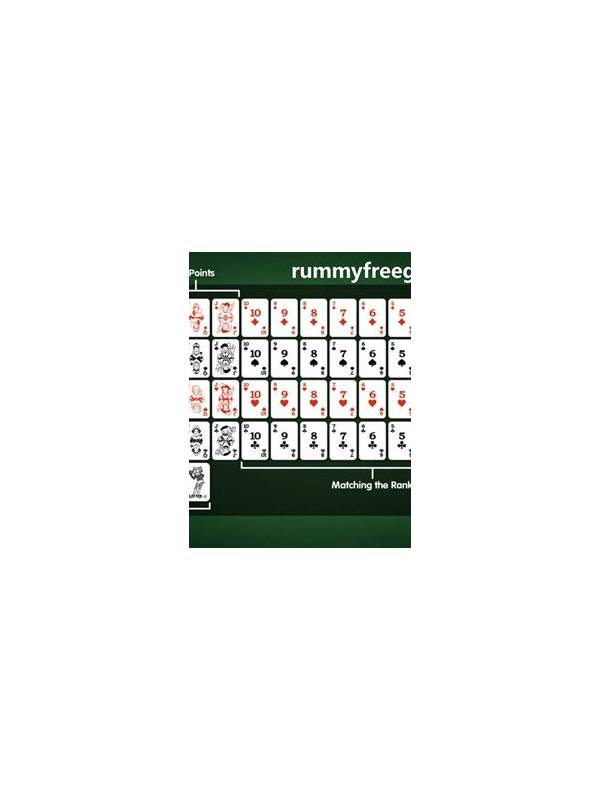
When a rummy hand arrives, the first few seconds can feel crowded. Cards are mixed, possible sequences overlap, and a tempting pair can distract you from a stronger arrangement. A consistent sorting routine reduces that noise. It does not predict the next card or guarantee a win; it simply helps you evaluate the hand with fewer avoidable mistakes.
Begin by separating cards by suit. Place hearts, diamonds, clubs, and spades in distinct groups, leaving a small gap between them. Within each group, arrange cards from low to high. This makes a possible same-suit sequence visible immediately. For example, 5, 6, and 7 of one suit should sit together rather than being hidden among unrelated cards.
Next, mark the cards that are already useful in more than one plan. A card next to two cards of its suit may help complete a sequence, while a matching-rank card may support a set. Keep these flexible cards in view, but do not treat every connection as equally valuable. A pair with no nearby rank and no realistic set opportunity is usually less useful than a connected middle card.
After sorting, look for the required foundation of your format. In many Indian rummy variations, a valid declaration needs at least one pure sequence. Identify the strongest candidate first, then ask whether the remaining cards can form another sequence or a set. This order prevents you from building an attractive group that cannot satisfy the hand requirement.
Leave jokers or wild cards slightly apart. Their value depends on the gaps around them, so placing one directly inside a group can make an unfinished combination look complete. Test the natural cards first, then decide where a joker saves the most points or closes the most practical gap.
Repeat the routine after every draw and discard. The hand may become more organized even when the new card is not immediately helpful. Avoid rearranging constantly during an opponent’s turn if it makes you lose track of what has changed. A calm, repeatable layout is more useful than a complicated system you abandon under pressure.
Finally, check your planned discard before acting. Ask whether it is part of a confirmed sequence, a useful pair, or a flexible bridge. If it serves none of those roles, it may be the cleanest choice. Sorting is not a strategy by itself, but it gives strategy a clearer starting point. It also makes your reasoning more precise: a card either has a visible job or needs a deadline for review.
Related Post
Rummy Comparison: Physical Cards and Digital Table Habits
Compare what carries from face-to-face rummy to an online table and what needs a new [...]
Rummy Tips: Separate Observation From Interpretation
Keeping facts distinct from guesses leads to calmer and more accurate rummy decisions. [...]