Rummy Session Budget: Set Limits Before You Join
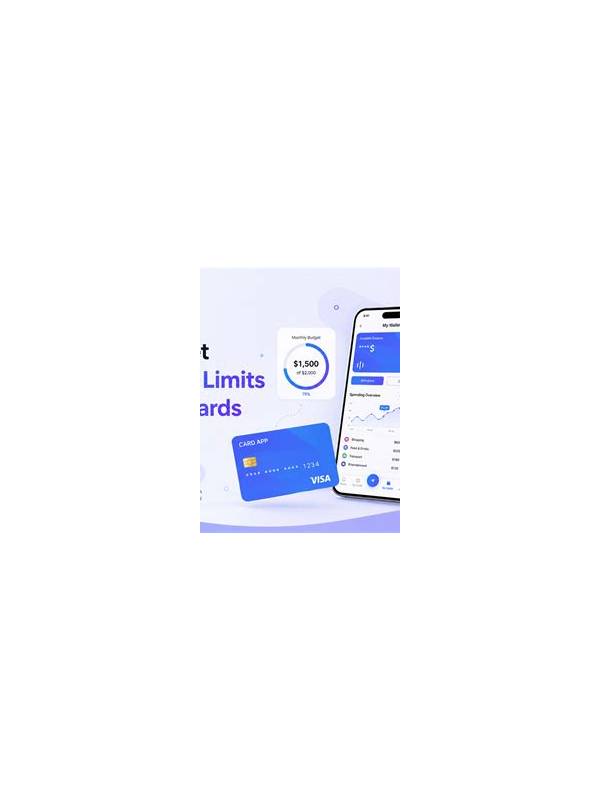
A session budget is more than a balance on an app. It is a boundary decided before excitement, losses, or bonuses can influence you. In any rummy format involving money, set limits that you can afford to lose and treat them as entertainment spending, not as expected income. The same habit works for free games by limiting time and attention.
Choose a complete limit
Decide the maximum amount for the entire session, including entry fees, re-entries, and any optional purchases. Do not use rent, bills, borrowed money, emergency savings, or credit. If losing the amount would create stress tomorrow, it is too high for today. A budget should be specific enough that you do not renegotiate it after a bad round.
Add a time boundary
Money limits and time limits support each other. Choose a finish time or a maximum number of rounds, then set a neutral reminder away from the game screen. Fatigue can weaken attention and make chasing losses feel reasonable. Include short breaks, especially when playing on a phone, and stop if the session no longer feels recreational.
Plan the stopping rules
Write down what will make you stop: reaching the spending limit, reaching the time limit, feeling angry, or wanting to deposit more. A win is not a reason to extend automatically. If you want to continue after the planned end, take a real break and decide on another day. Never use a loss as a reason to increase the next entry.
Check the platform
Review deposit, withdrawal, fee, and bonus terms before adding funds. Confirm that spending controls, cooling-off options, and account limits are available in your jurisdiction. Keep transaction records private and use only payment methods you control. A trustworthy service should explain restrictions clearly; confusing urgency or pressure is a reason to pause.
At the end, record the actual time and amount without judging yourself. Compare it with the pre-session plan. If you repeatedly exceed boundaries, stop paid play and use support or blocking tools available locally. A budget is successful when it remains intact, regardless of the result of the cards.
Keep the budget separate from everyday cash flow so the boundary is easy to see. A simple note can include the planned limit, actual spending, start and finish times, and whether you stopped on schedule. Do not use a winning balance as permission to raise tomorrow’s limit. If the game stops being enjoyable, the correct budget decision is to stop, even when funds remain. Local support services and self-exclusion tools can help when personal limits are difficult to maintain.
Related Post
Rummy Safety: Set an App Session Timeout Routine
A simple timeout routine reduces accidental exposure when a rummy app is left open on [...]
Rummy Practice: Explain Three Legal Alternatives
Comparing three legal arrangements teaches you to evaluate a hand by structure, flexibility, and exit [...]