Rummy Tips: Evaluate a Discard in Two Passes
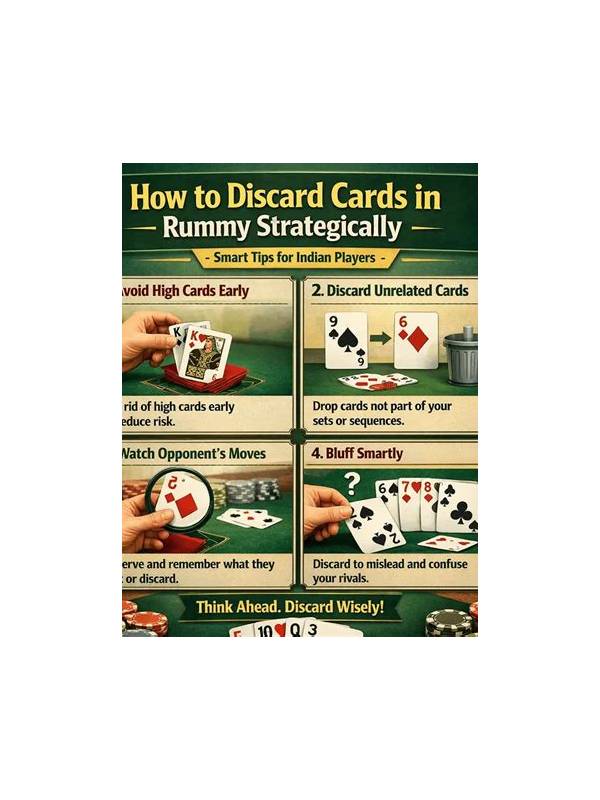
A discard can be sensible in one way and poor in another. It may reduce the points in your hand while giving an opponent an obvious connector. A two-layer review catches both issues before the card leaves your hand.
The first layer is personal cost. Ask what the card contributes to your current groups. Is it part of a confirmed sequence, a pair, a possible set, or no useful structure at all? Consider nearby ranks and the availability of a second card that could make the idea work. A high card with no credible route often deserves attention, but a low card can also be wasteful if it occupies a valuable slot.
The second layer is table information. Look at the visible discard history and ask who might want this card. A middle card can connect in several directions, while a duplicate rank may complete a set. You cannot know another player’s plan, yet you can avoid repeatedly handing over cards that are visibly compatible with their earlier picks.
Use the layers in order. First remove candidates that damage your own best route. Then compare the remaining candidates for risk. If two cards have similar personal cost, prefer the one with fewer useful connections. This is especially helpful when you hold several uncommitted cards and feel tempted to discard the first one that looks awkward.
The review should be quick, not elaborate. A useful routine is: identify the card’s job, name the best route it supports, scan the recent discards, and choose the lower-risk candidate. If a declaration is close, also confirm that the discard does not accidentally remove a necessary card from a valid structure.
After the turn, note whether the decision was based on information available at the time. A good discard can still be followed by an unlucky draw. Judge the process rather than the result. With practice, the two-layer review becomes a short pause that protects both your hand and your information advantage.
Say the comparison silently in plain language: “This card costs me a possible link; that card costs me nothing but may help an opponent.” The sentence forces both layers into the same decision. Keep the routine brief enough for a timer. Its purpose is not perfect prediction, but preventing an automatic discard when a quick comparison reveals a safer option.
Use the same review when the discard seems obvious. Easy decisions still deserve a quick check because a familiar pattern can hide a useful connector. If two candidates remain equal, prefer the one that keeps your future plan easier to explain. Over time, reviewing both personal value and shared information creates a record of decisions that can be improved rather than a list of lucky or unlucky outcomes.
Related Post
Rummy Strategy: Compare Cards by Replacement Cost
Replacement cost helps players choose between loose cards by measuring how difficult each one would [...]
Rummy Tips: Make Your Discard Reason Easy to Explain
Explaining a discard in one sentence exposes weak reasoning before it becomes a habit. [...]