Rummy Variants: Build a Rule Card Before Switching Tables

Switching rummy tables can be confusing because familiar words may describe different scoring or declaration rules. A short rule card gives you a reference before the first draw. It is useful for online tables, family games, and any situation where a house rule may differ from your usual format.
Record the essentials
Write the variant name and the objective in one sentence. Then note the number of cards, number of decks if relevant, joker treatment, and whether a discarded card can be picked up. Add the required sequences, including whether one must be pure, and write how points are calculated. If the platform has a help page, compare it with the table description rather than assuming they are identical.
Note turn mechanics
Rules about drawing, discarding, missed turns, declarations, and disconnections can change the correct decision. Record the order of a turn and what happens when the stock is exhausted. For a digital game, confirm which button completes an action and whether a declaration is reversible. These details are not strategy trivia; misunderstanding them can invalidate an otherwise good hand.
Highlight differences from your usual game
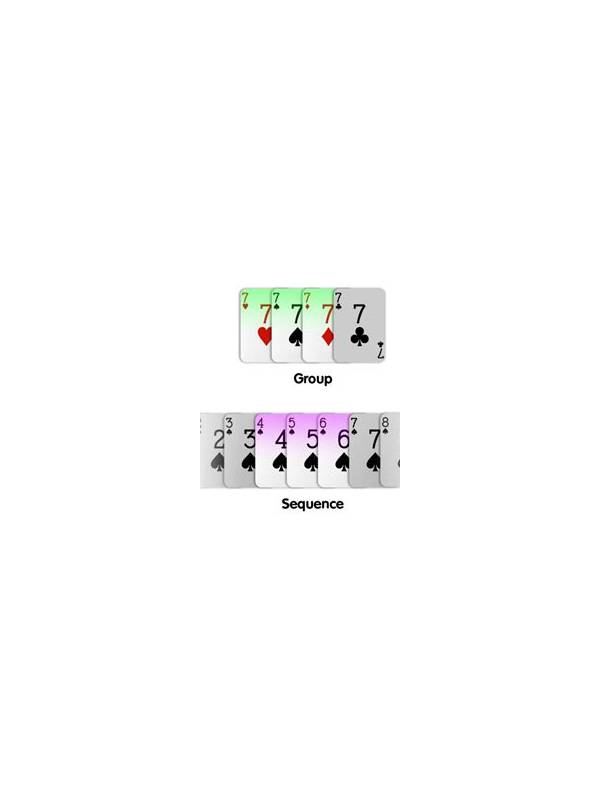
Make a small “changed” section. It might say “points end at 101,” “jokers are selected after the deal,” or “a group needs four cards.” Explicit differences are easier to remember than a long general explanation. If you cannot answer a rule question, use a practice table or ask the host before entering a competitive round.
Keep the card accessible
Place the notes beside you, not over the game controls. Avoid copying personal account details or payment information into the document. Update the card only from an authoritative rules source or a clearly stated house rule. If players disagree, pause the game and resolve the rule before continuing.
The purpose of a rule card is not to slow every turn. Read it before the session, revisit the highlighted differences, and use it when an unusual situation appears. A few accurate lines are enough to prevent automatic habits from crossing into the wrong variant.
Before the first competitive round, test the rule card with a harmless example. Ask yourself what happens if you draw from the pile, miss a turn, or declare with a joker. If the answer is uncertain, look it up instead of guessing. Save the card with a neutral filename and do not include login, payment, or identity information. Clear rules reduce disputes and allow your attention to return to the cards once play begins.
Related Post

Rummy Tips: Handle a Run of Dead Draws
Several unhelpful draws call for a structured reassessment rather than automatic chasing or panic discards. [...]
Rummy Hand Reading: A Quiet Method for Tracking Useful Cards
Learn a simple way to track useful cards without trying to remember the entire table. [...]