Rummy FAQ: How Can You Check a Rule Quickly?
You do not need to memorize every help page before playing, but you should know where to verify the rules. A quick check is especially important when moving between applications, formats, or tables that use similar names with different scoring.
Begin with the objective. Confirm how many cards are dealt, what counts as a valid sequence or set, and what a player must show when declaring. Some variants require a pure sequence or another specific structure. If you do not know the declaration condition, strategy choices may be built on a false assumption.
Next, check the scoring. Find the value of high cards, jokers, and an invalid declaration. Also look for a maximum loss, entry fee, or separate table limit. These details determine how aggressively you should protect points and whether a practice table is available.
Then verify turn mechanics. Which pile can be drawn from? Is the discard pile public, and may only the top card be taken? How much time is allowed, and what happens when the timer ends? Small interface differences can produce large practical mistakes.
Keep a short note for unfamiliar tables. Write the objective, required group, draw rule, timer, and scoring warning. Do not rely on a screenshot from another platform because rules and terms can change. Use the official in-app help or support channel when a statement is unclear.
If you cannot verify a key rule, pause before entering a paid game. Asking a question or choosing a practice mode is a better use of time than discovering a condition during a declaration. A quick rule check protects both your decisions and your account balance.
Make the check especially careful when a table uses unfamiliar words such as pool, deal, joker, or penalty. Similar labels can describe different mechanics. Save the official explanation for reference, but check its date and platform because an old screenshot may be misleading. If support gives a clarification, keep the answer with your private notes and follow the current displayed terms.
Never let another player’s confidence substitute for a rule source. Friendly advice may describe a different variant or an outdated promotion. A verified rule check takes less time than correcting an invalid declaration or disputing an unexpected charge. When the explanation is still ambiguous, choose a no-stakes table until it is resolved.
Keep the note short enough to read during a break. A long rules document can hide the condition you need. Highlight the declaration and scoring sections, then return to the complete terms when making account or payment decisions.
Related Post
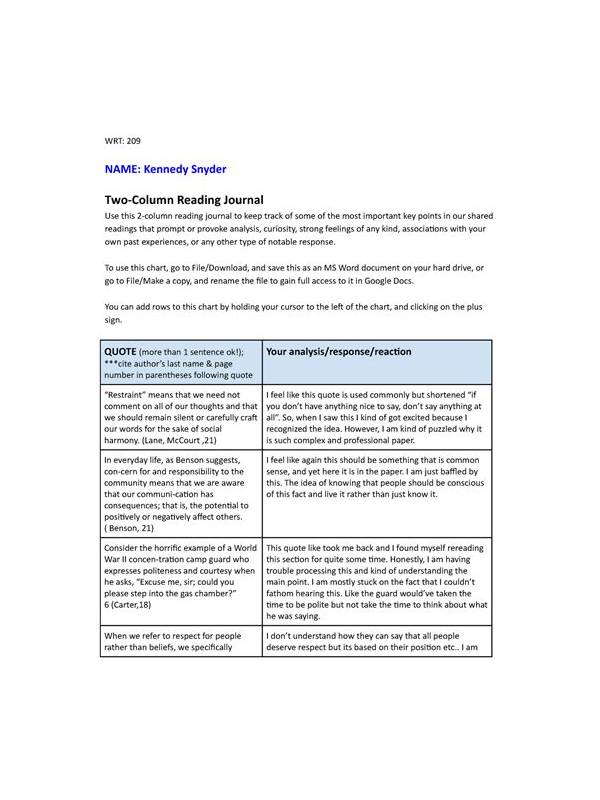
Rummy How-To: Use a Two-Column Draw Journal
A compact journal separates what a player expected from what the hand actually showed. [...]
Rummy Guide: Measure Flexibility Before Choosing a Meld
Learn a quick way to compare potential melds by counting the useful futures they preserve. [...]