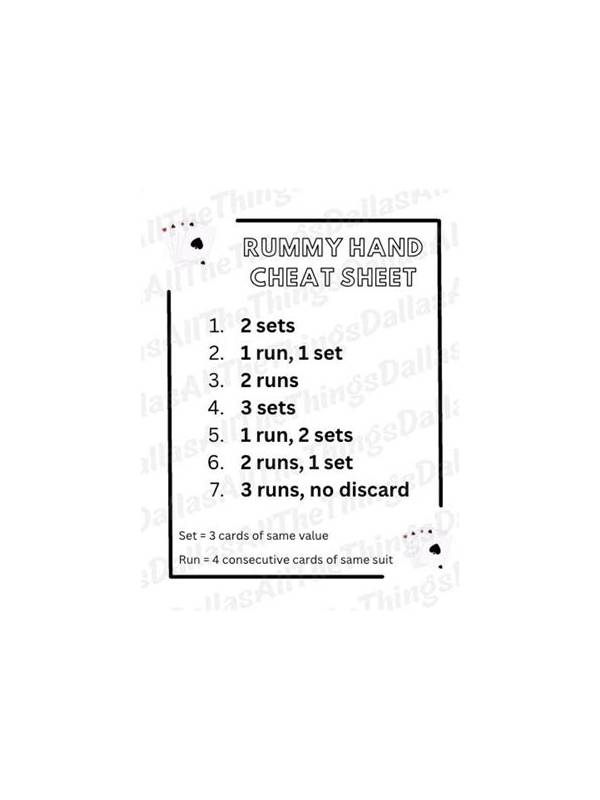
Rummy Safety: Recognize a Session That Is Becoming Compulsive
Enjoyment can change into pressure gradually. You may keep playing after you planned to stop, increase spending to recover a loss, or feel unable to think about anything else. These signs deserve attention whether the session is winning or losing.
Start with a clear limit for time and money before you play. Put the limit somewhere visible and treat it as a stopping rule, not a target to use completely. If you notice yourself moving the limit during play, pause and leave the table. A limit that changes under pressure is not providing protection.
Watch for emotional signals. Urgency, irritation, secrecy, and the belief that one more hand will fix the previous result can all narrow your judgment. Take a break, drink water, and move away from the screen. Do not make a deposit or borrow money while feeling this way.
Use account controls when available, such as session reminders, spending caps, cooling-off periods, or self-exclusion. If controls are hard to find, contact the service through its official support channel. You can also speak with someone you trust or a local gambling-support organization. Asking for help is a safety action, not a failure.
Keep records only if they help you stay accountable, and protect those records from exposing financial information. If play is affecting sleep, work, relationships, or essential bills, stop and seek qualified help promptly.
Responsible play is defined by control and comfort, not by how long you can continue. A break taken early is easier than trying to recover after pressure has built.
Make the stopping action concrete. Log out, put the device in another room, or switch to a non-gambling activity that has a natural end. Tell a trusted person about the limit if private promises have not worked. If you cannot stop, or if play is causing harm, contact a qualified local support service or health professional and avoid trying to manage the problem through another session.
Friends or family may notice changes before you do, such as hiding sessions, missing commitments, or becoming unusually distressed after a loss. Listen without arguing about a particular hand. Ask for practical support, such as help activating a cooling-off period or removing saved payment methods. If you feel unsafe or in crisis, contact local emergency or mental-health services immediately. The priority is your wellbeing, not finishing a game.
If setting a limit alone is not enough, remove easy access to the table and payment method for a while. Ask someone you trust to help you follow the break. Support is especially important when urges feel persistent or when play has caused financial or emotional harm.
Related Post
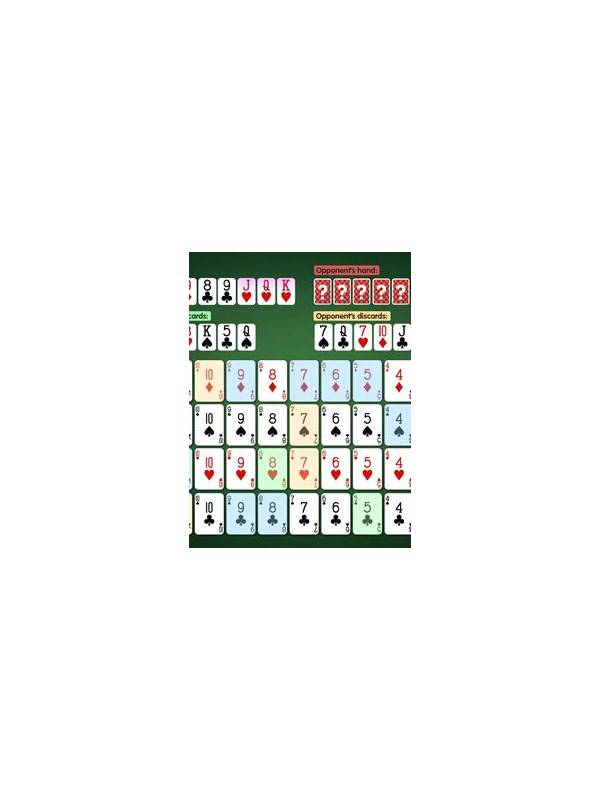
Rummy How-To: Review a Hand From the Opponent’s View
Considering what your visible actions communicate can improve discard choices without pretending to know an [...]
Rummy FAQ: What Is a Clean Reset After a Bad Draw?
A clean reset means evaluating the current hand again instead of protecting a plan that [...]