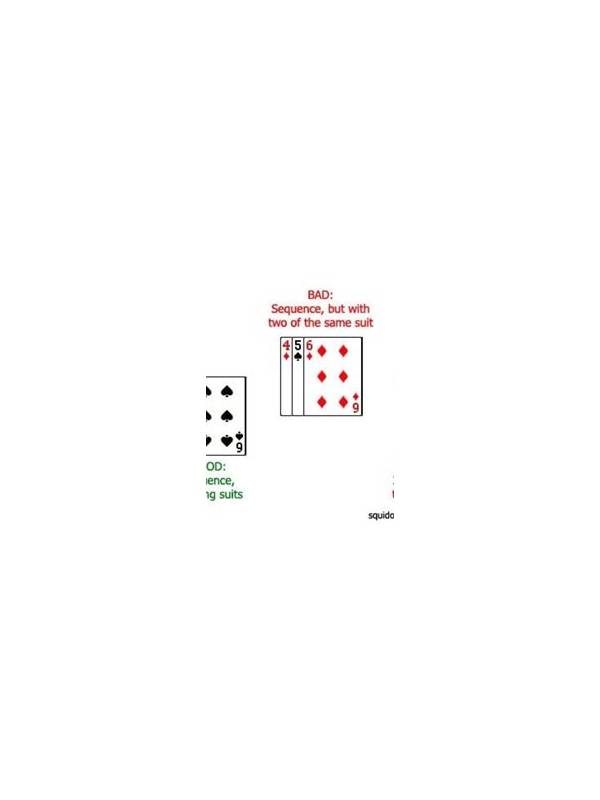
Rummy Comparison: Flexible Hands Versus Focused Hands
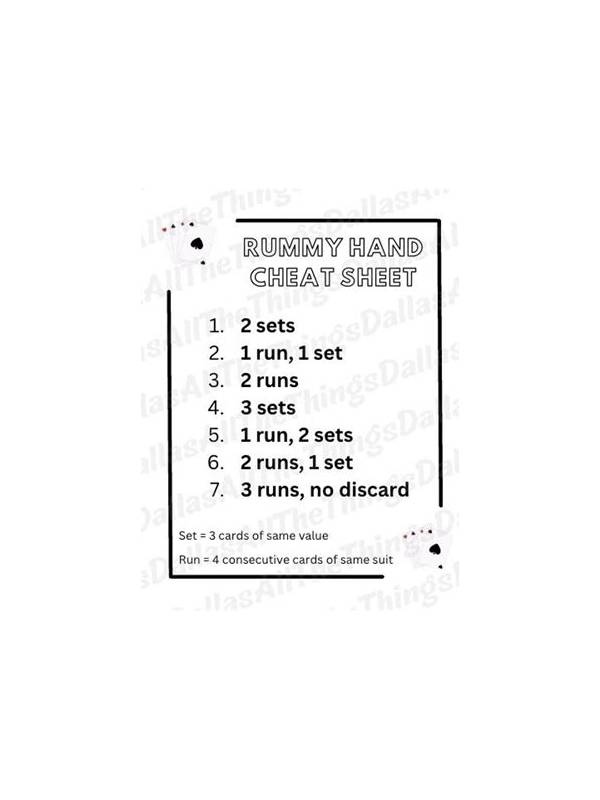
A flexible hand keeps several possible groups alive. A focused hand commits to fewer structures with the hope of completing them quickly. Both styles can work, but they create different risks and require different review habits.
Flexibility is useful early when the available information is limited. It allows a new draw to support more than one direction and reduces the cost of changing plans. Its weakness is clutter: too many possibilities may leave no group sufficiently developed, and the player may delay a necessary discard.
Focus can produce faster progress when the chosen structure has strong support. It makes the next decision clearer and can simplify the final check. Its weakness is dependence. If the required cards do not appear, changing direction may require breaking several connected cards at once.
Compare the styles using recoverability. After an unhelpful draw, can the flexible hand identify one plan to drop? Can the focused hand preserve a valid structure while switching? The stronger plan is often the one that has a practical exit, not the one that looks most complete at a single moment.
Use timing to guide the balance. Explore while the hand is young, focus when one plan gains clear evidence, and simplify as the end approaches. Do not confuse flexibility with keeping every card or focus with refusing to update.
The best players move between the styles deliberately. They preserve options when options are valuable, then commit when commitment reduces uncertainty. Review the cost of both waiting and switching before choosing your next discard.
You can make the balance visible by naming one benefit and one risk for each style. A flexible plan may preserve a second route but delay completion. A focused plan may complete quickly but become brittle. If you cannot name the risk, you may be favoring the plan because it feels comfortable rather than because the hand supports it. Deliberate commitment is more useful than accidental commitment.
This comparison also applies to session design. You might begin with a flexible learning goal, such as observing how pairs develop, then switch to a focused goal when the table becomes demanding. Set a limit for how much attention you will spend on analysis and take a break if the choice feels urgent. A strong playing style includes the ability to simplify your plan and leave comfortably when the session no longer feels controlled.
Flexibility and focus are tools, not identities.
Related Post
Rummy Tips: Use an Information Budget During a Difficult Hand
Limit the clues you track so a complicated hand stays understandable and actionable. [...]
Rummy Comparison: Immediate Completion Versus Better Flexibility
Comparing a quick group with a more adaptable plan helps players choose according to timing, [...]