Rummy Practice: Reconstruct a Hand From Its Decisions

To improve at rummy, study the sequence of decisions rather than only the final result. Reconstructing a sample hand helps you see when the plan changed and whether the change was supported by evidence.
Write down the starting cards, each draw, and each discard in order. After every turn, record the main plan in one sentence: for example, “protect the suited pair” or “reduce isolated high cards.” Do not write a long explanation while reconstructing; short labels make the timeline easier to inspect.
When the hand is complete, review the turning points. Which draw created the first reliable structure? Which discard removed a useful option? Did a later choice preserve a plan after it had stopped being realistic? These questions focus on process instead of treating the winner as proof that every decision was correct.
Try a second reconstruction with one decision changed. Choose an alternative discard and describe what it would have protected or abandoned. You do not need to invent the exact future result. The exercise is about seeing the trade-off that was available at the time.
Keep the review factual and private. Do not record account numbers, other players’ personal information, or anything the table rules prohibit. A good practice log contains cards, decisions, and lessons—not sensitive data or unsupported guesses.
Over time, these timelines can show repeated patterns, such as holding pairs too long or failing to verify a final structure. Use the pattern to choose one small adjustment for the next session.
For instance, if the timeline shows that you kept an unsupported pair through four turns, make “set a pair deadline” the next practice goal. If it shows repeated final-check errors, practice counting and assigning every card before playing again. One adjustment is easier to observe than a promise to improve everything at once, and it creates a clear comparison for your next review.
Keep the reconstruction focused on choices you controlled. You cannot change the shuffle or guarantee what another player held, but you can decide whether your plan had support, whether you recognized a deadline, and whether you completed the final check. This boundary makes the review more useful and less emotional. A calm record of one decision is more valuable than a long argument with an unlucky result.
End each review with one sentence describing what you will notice next time. Examples include “check for a second route before holding a pair” or “count unassigned cards before declaring.” A precise observation goal makes the next practice hand easier to evaluate and keeps improvement connected to behavior.
Related Post
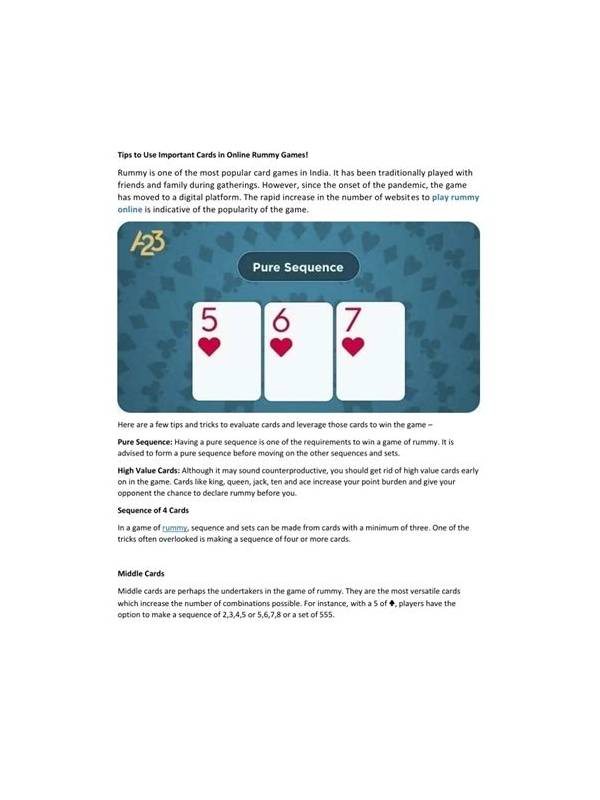
Rummy Screen Layout: Make Important Cards Easier to See
Rummy Screen Layout: Make Important Cards Easier to See offers practical guidance for clearer, safer, [...]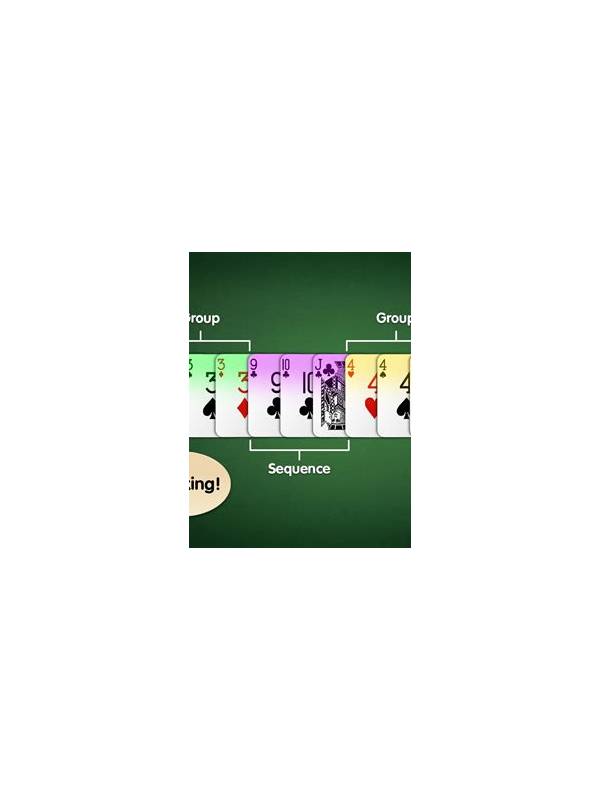
Rummy How-To: Estimate Deadwood Before Your Next Draw
A quick deadwood estimate shows which cards carry the greatest cost if the hand fails [...]