Rummy Strategy: Use Suit Distribution to Find a Safer Plan
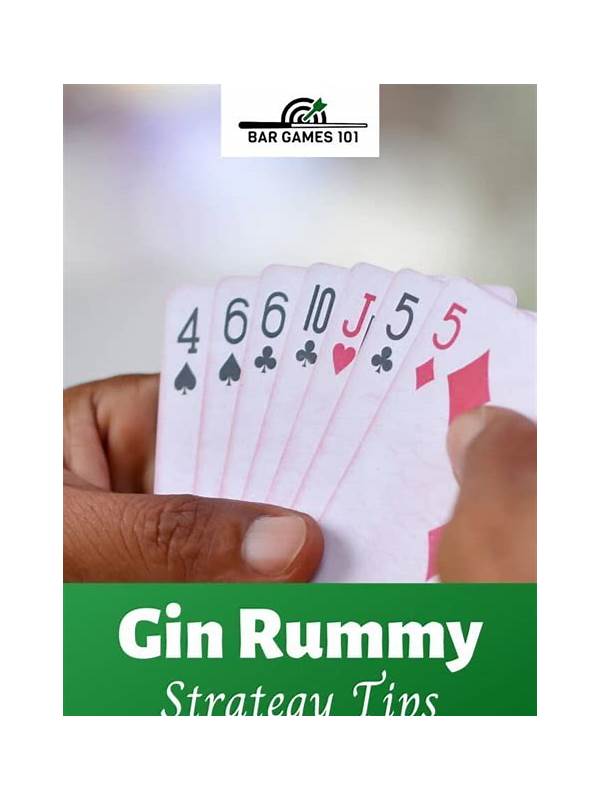
Suit distribution is a useful way to inspect a rummy hand before you start chasing individual cards. A hand crowded into one suit may offer sequence potential, while a hand spread evenly across suits may need more deliberate pruning. The count itself is not a strategy, but it gives structure to the review.
List the cards by suit and rank. Look for adjacent cards, one-card gaps, and isolated extremes. A group such as four, five, and seven in one suit has a visible missing link, while three unrelated cards in three suits may have no shared route. Mark cards that appear in more than one possible plan, because flexibility can be more valuable than a neat but fragile group.
Do not assume the most common suit must become your main plan. Three cards in one suit are helpful only if their ranks can connect under the rules. A concentrated group with a large gap may be weaker than two cards in another suit that need one of several connectors. Compare the number of realistic next cards and the penalty of waiting.
Suit distribution also helps with discards. If one suit has several unsupported high cards, removing one may reduce risk without harming your strongest route. If a suit contains your only natural sequence candidate, protect it while searching for a safer place for the remaining cards. Keep required natural combinations in mind before using a flexible card elsewhere.
As the hand develops, recalculate rather than preserving your opening count. A draw can turn a scattered hand into a clear path, and a discarded connector can make a once-promising suit less attractive. The best use of distribution is therefore dynamic: observe the shape, test a plan, and release cards that no longer support it.
This review takes less than a minute with practice. It replaces vague impressions with concrete questions about gaps, options, and cost. Whether you play casually or study your decisions afterward, suit distribution offers a clean starting point for choosing what to keep and what to let go.
Avoid treating unseen cards as equally available forever. The open pile, visible pickups, and your own failed draws all update the practical value of a route. If a suit has many theoretical connectors but several have already appeared, downgrade that plan. On the other hand, do not assume an unseen card is about to arrive merely because it would complete your group. Distribution improves discipline when it is paired with honest timing and discard-cost checks.
Related Post

Rummy FAQ: When Does Sorting Become Avoidance?
Find out when sorting creates clarity and when it has become a substitute for making [...]
Rummy Guide: Use a Fallback Route When the Main Plan Stalls
A prepared fallback route keeps a stalled hand moving and reduces the temptation to chase [...]