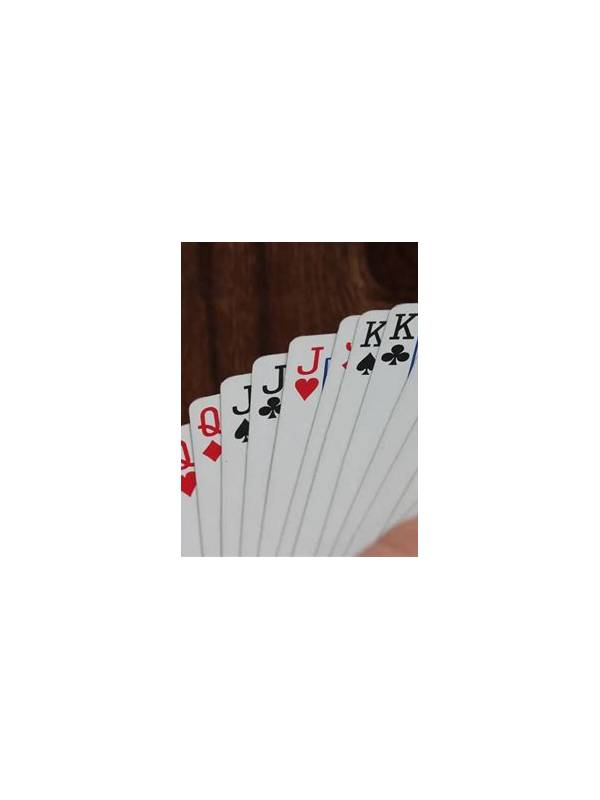
Rummy Tips: Keep a Three-Level Priority List
Complex hands become easier to manage when every card does not receive equal attention. A three-level priority list separates what the hand must protect, what it may develop, and what it can probably release. The list is not permanent; update it when the draw changes the structure.
Level one contains requirements and strong completed groups. If the format needs a natural sequence, that requirement belongs at the top until it is safely satisfied. A nearly complete group with several realistic improvements may also deserve priority. These cards are not immune from change, but releasing them should require a clear reason.
Level two contains flexible possibilities. These may be pairs, connectors, or cards that support more than one plan. They are useful because they preserve options, but they should not crowd out a missing requirement. If the hand remains stuck, one level-two group may be converted into a discard to reduce clutter.
Level three contains isolated, expensive, or narrow cards. A high card without neighbors often belongs here. So does a group that needs one exact card when better alternatives exist. Level three does not mean “discard immediately.” It means examine these cards first when choosing what to release.
To build the list, sort the hand and name each group in plain language. Then ask whether each card supports one group or several. Cards with no clear role go lower. Keep the list short; three or four items per level are enough for most hands.
When a new card arrives, move items rather than starting from scratch. A connector may rise to level two, while a pair may fall when its likely matches disappear from public information. This small update is faster than repeatedly rearranging the entire hand.
Use the priority list as a decision aid, not a rigid formula. A level-one card may need to be released if it violates a rule or blocks a much stronger structure. The benefit of the system is that exceptions become visible and deliberate instead of accidental.
Three levels create a simple conversation with yourself: what must survive, what may improve, and what can be sacrificed. That clarity is especially valuable when the next draw is uncertain and the hand contains more possibilities than you can reasonably pursue.
The list can also reduce emotional attachment. A card may feel important because it helped earlier, yet its current role may now be weak. Reclassifying it based on present evidence gives you permission to release it without treating the discard as a personal mistake.
Related Post
Rummy Strategy: Use a One-Card Improvement Test
Test whether a draw genuinely improves the hand by identifying the one card whose role [...]
Rummy FAQ: What Is a Temporary Anchor?
A temporary anchor is a useful group that supports a plan while remaining open to [...]