Rummy Practice: Score Decisions Without Scoring Yourself
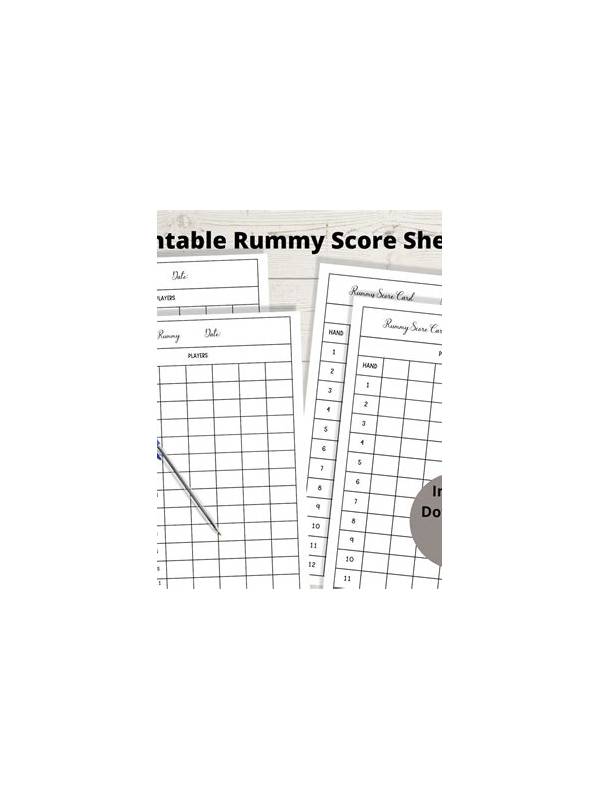
Practice becomes more useful when you review choices separately from outcomes. A good discard can be followed by an unhelpful draw, and a weak discard can occasionally work by luck. If you judge yourself only by the final result, you may learn the wrong lesson. A small process score keeps the review focused.
Choose three questions for every important decision. Did you identify the strongest current group? Did you check the rules and visible information? Did you preserve a realistic next option? Give each question a yes, partly, or no mark. The marks are not a judgment of your character or intelligence. They simply show which part of the routine needs practice.
Add a fourth note for uncertainty. Write “known,” “reasonable,” or “guess” beside the main assumption behind the choice. For example, you may know that a sequence is complete, reasonably infer that an opponent is not collecting a suit, or merely guess that a hidden card will appear. This prevents a guess from being remembered as if it were evidence.
Review only a few turns at a time. Select one decision that improved the hand and one that created difficulty. Describe each in one sentence: what you saw, what you chose, and what you would check next time. Long explanations can hide the practical adjustment. A useful review ends with one action you can repeat in the next practice block.
Do not compare scores across players or use them to create pressure. The purpose is to identify process habits, such as skipping the pre-discard check or keeping a pair without a deadline. Improvement may appear as fewer rushed decisions, clearer explanations, or faster recognition of an expendable card even before wins increase.
End the review when the lesson is clear. Replaying the same result until you find a perfect answer can turn practice into hindsight. Rummy contains incomplete information, so a responsible learner accepts uncertainty and measures whether the decision was sensible at the time. That is a durable skill for future hands.
If you want a numerical summary, count process marks over several practice hands rather than after one round. Look for trends such as more complete rule checks or fewer unsupported plan changes. Keep the record private and avoid using it to justify longer sessions or larger stakes. A practice measure is useful only when it supports learning and remains separate from pressure to prove something. The best score is often a clearer explanation of the next choice.
Related Post
Rummy How-To: Use a Three-Question Discard Filter
A short discard filter helps turn a crowded hand into a repeatable decision process. [...]
Rummy How-To: Compare a New Draw With the Card It Replaces
Comparing a new card with the one it displaces keeps each draw tied to a [...]