Rummy FAQ: How Can You Avoid Overvaluing a Nearly Complete Run?
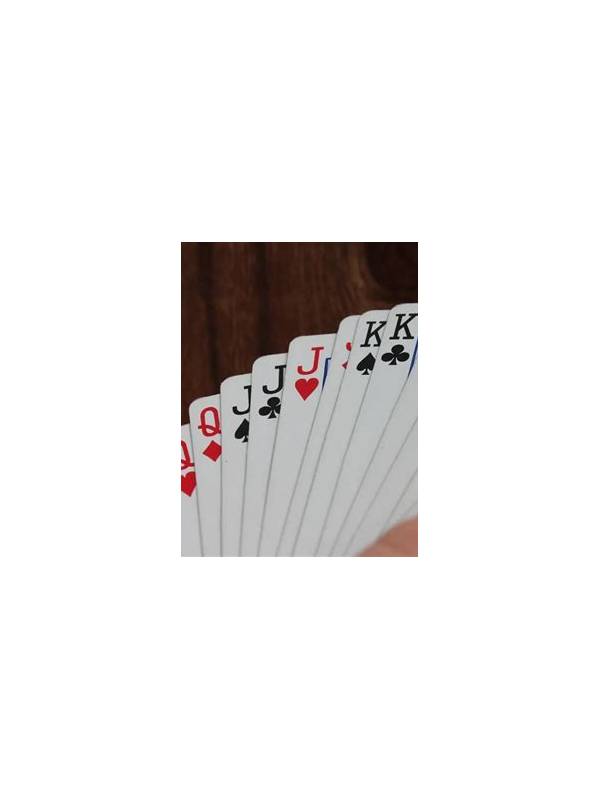
A two-card or three-card run can look persuasive because its shape is easy to see. That visual clarity may make you overvalue it, especially when the missing card appears simple. The correct question is not whether the run looks close. It is whether keeping it is better than using those cards in a stronger, more flexible, or safer arrangement.
Count the exact improvements required. A run missing one card is not equally attractive in every position. A middle gap may have more than one useful rank, while an edge route may depend on a single card. Check what has already appeared, what the discard pile suggests, and how many turns remain. “One card away” is a description, not a probability.
Then inspect the cost of holding it. Does the run include a high-point card that has no second role? Does it prevent a natural sequence required by the variant? Does it force you to keep another loose card as a companion? A promising run can become expensive when it controls several other decisions.
Compare it with at least one alternative. Perhaps a pair has stronger set support, or a middle card can serve two sequence directions. If the nearly complete run is the only route to a legal finish, it may deserve priority. If it is merely one of several ideas, apply a deadline and reassess after the next meaningful draw.
New evidence can change the answer. A card that completes the run may justify keeping its companions, while a visible discard of a needed card may make the route less attractive. Avoid dramatic pivots based on one opponent action; update the plan in proportion to the evidence.
The practical test is simple: name the missing card, the deadline, the backup, and the reason the run beats your best alternative. If you cannot answer one of these, the run is probably receiving more attention than its evidence supports. Let the hand’s full structure decide, not the satisfaction of seeing a nearly finished shape.
It can help to mark the run as “active,” “waiting,” or “retire.” Active means the route has several realistic improvements and a current deadline. Waiting means it remains plausible but should not control the next discard. Retire means the supporting evidence has weakened enough that you should use the cards elsewhere. These words make a quiet change in confidence visible and prevent a nearly complete shape from becoming a permanent commitment.
Related Post

Rummy Tips for Reviewing a Hand Without Blame
Turn a completed rummy hand into a useful learning note by examining decisions without turning [...]
Rummy How-To: Create a Risk Budget for Each Turn
A small turn-level risk budget helps you compare useful possibilities with the cost of keeping [...]